Sama Yatra

Shiva Yatra: Mantras, Guidance and Journeys

ॐ त्र्यम्बकं यजामहे सुगन्धिं पुष्टिवर्धनम् । उर्वारुकमिव बन्धनान् मृत्योर्मुक्षीय मामृतात् ॥

Om tryambakam yajamahe sugandhim pushti-vardhanam | urvarukam iva bandhanan mrityor mukshiya mamritat ||

We worship the three-eyed one, fragrant, who increases nourishment. As a ripe cucumber is released from its stem, may we be released from death, but not from immortality.

Mahamrityunjaya Mantra, Rigveda 7.59.12

The verse recited for healing and for protection on a difficult road.

ॐ नमः शिवाय

Om namah Shivaya

Om, salutations to Shiva.

Panchakshara, the five-syllable mantra, from the Shri Rudram in Yajurveda

Five syllables, na-mah-shi-va-ya, one for each of the five elements. It is the mantra most often counted on a rudraksha mala.

ॐ तत्पुरुषाय विद्महे महादेवाय धीमहि । तन्नो रुद्रः प्रचोदयात् ॥

Om tatpurushaya vidmahe mahadevaya dhimahi | tanno Rudrah prachodayat ||

May we know the Supreme Person, may we meditate on the Great God. May Rudra set us in motion.

Rudra Gayatri, Mahanarayana Upanishad

Recited at first light. On yatra that means Brahma Muhurta, the hour and a half before sunrise.

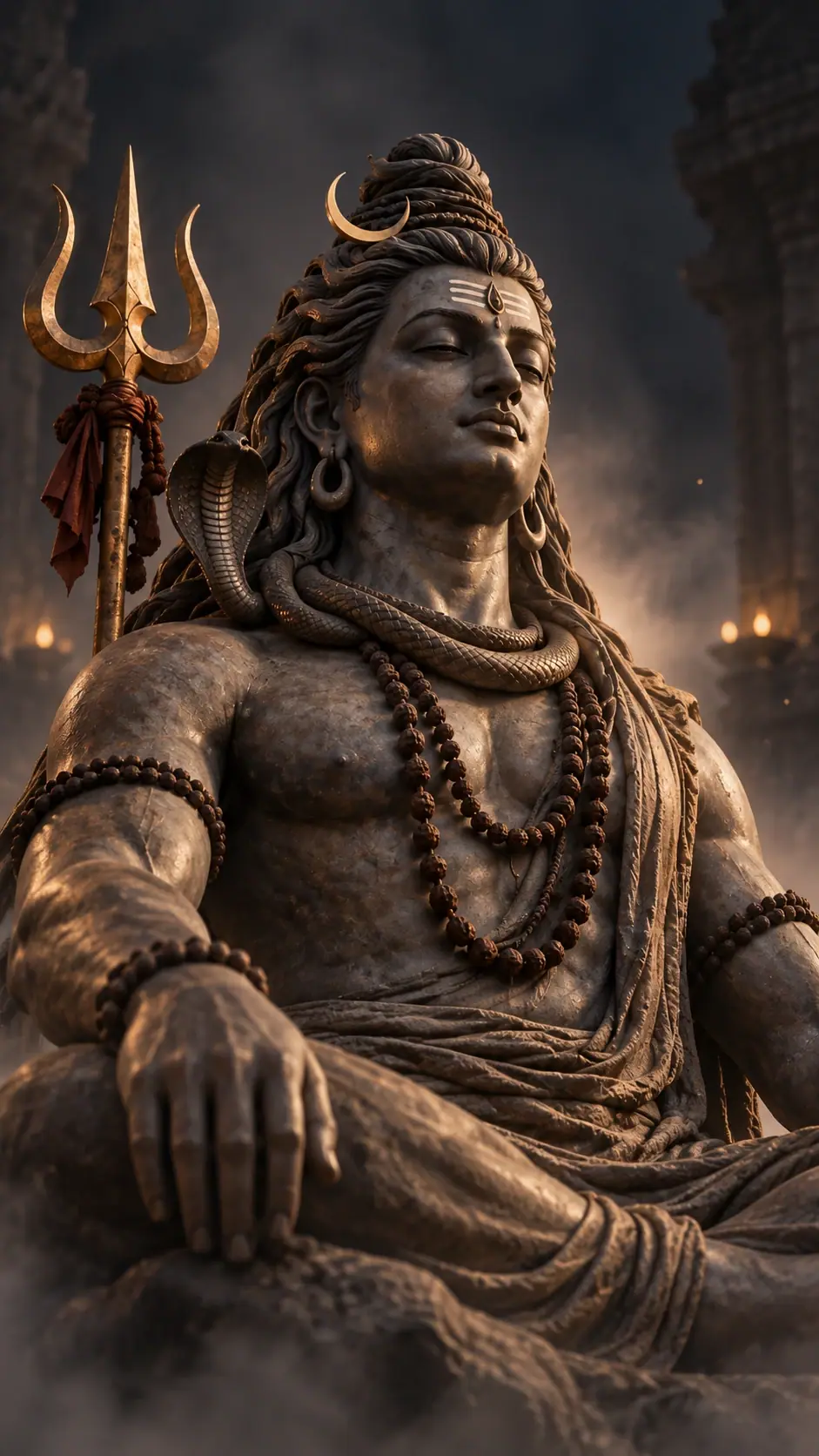
Lord Shiva seated in meditation, a crescent moon in his matted hair, a cobra around his neck, rudraksha malas across his chest and a golden trishula standing beside him

Travelling the Shaiva Path

The Shaiva journeys Sama Yatra runs stay inside Nepal: Pashupatinath and the Shiva temples of the Kathmandu Valley, the Halesi Mahadev cave in the east, Gosaikunda Lake in Langtang and Muktinath in Mustang. They range from temple visits in the valley to a lake at 4,380 metres reached on foot. What follows is what a first-time pilgrim usually wishes they had known.

When is the best time for a Shiva yatra in Nepal?

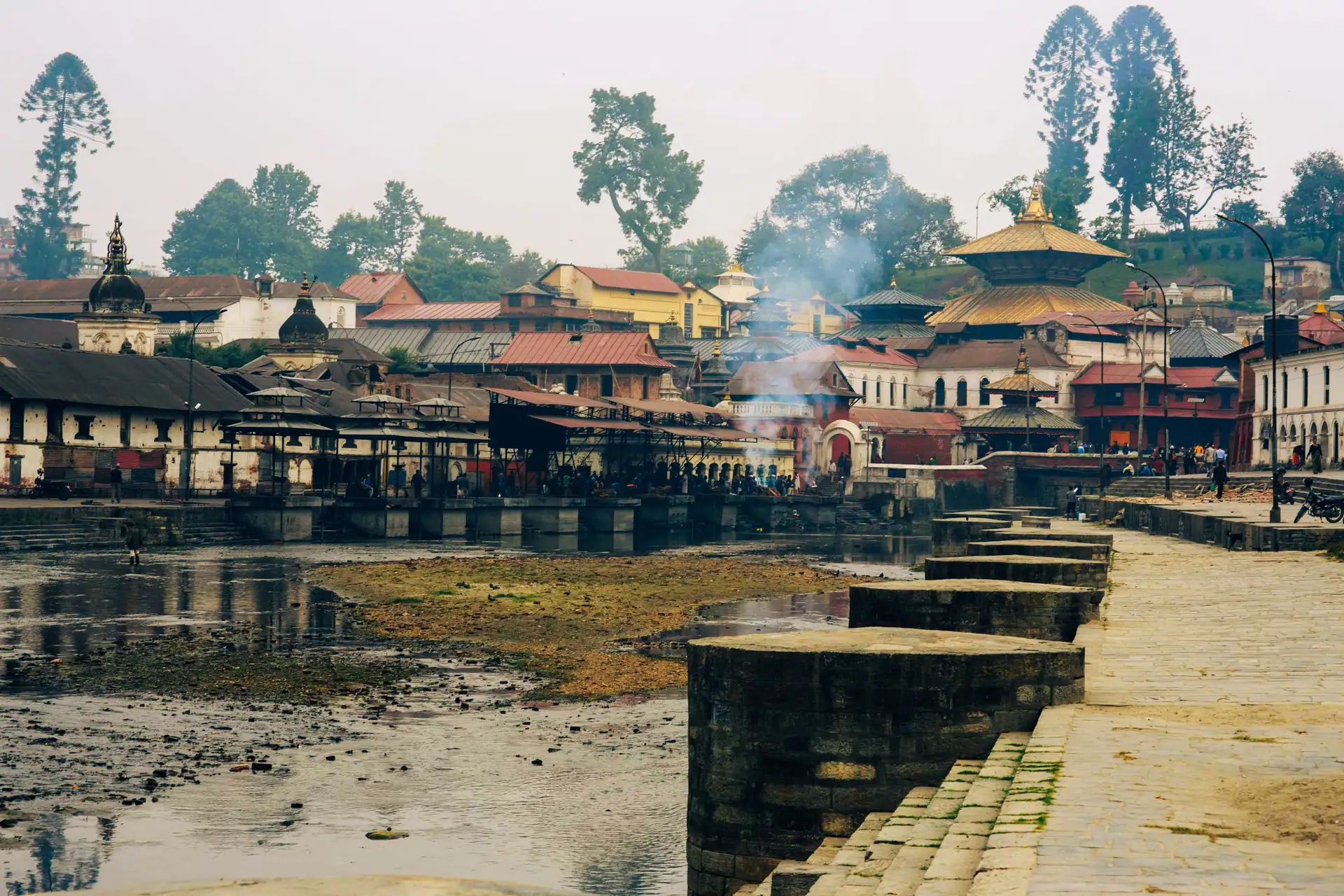
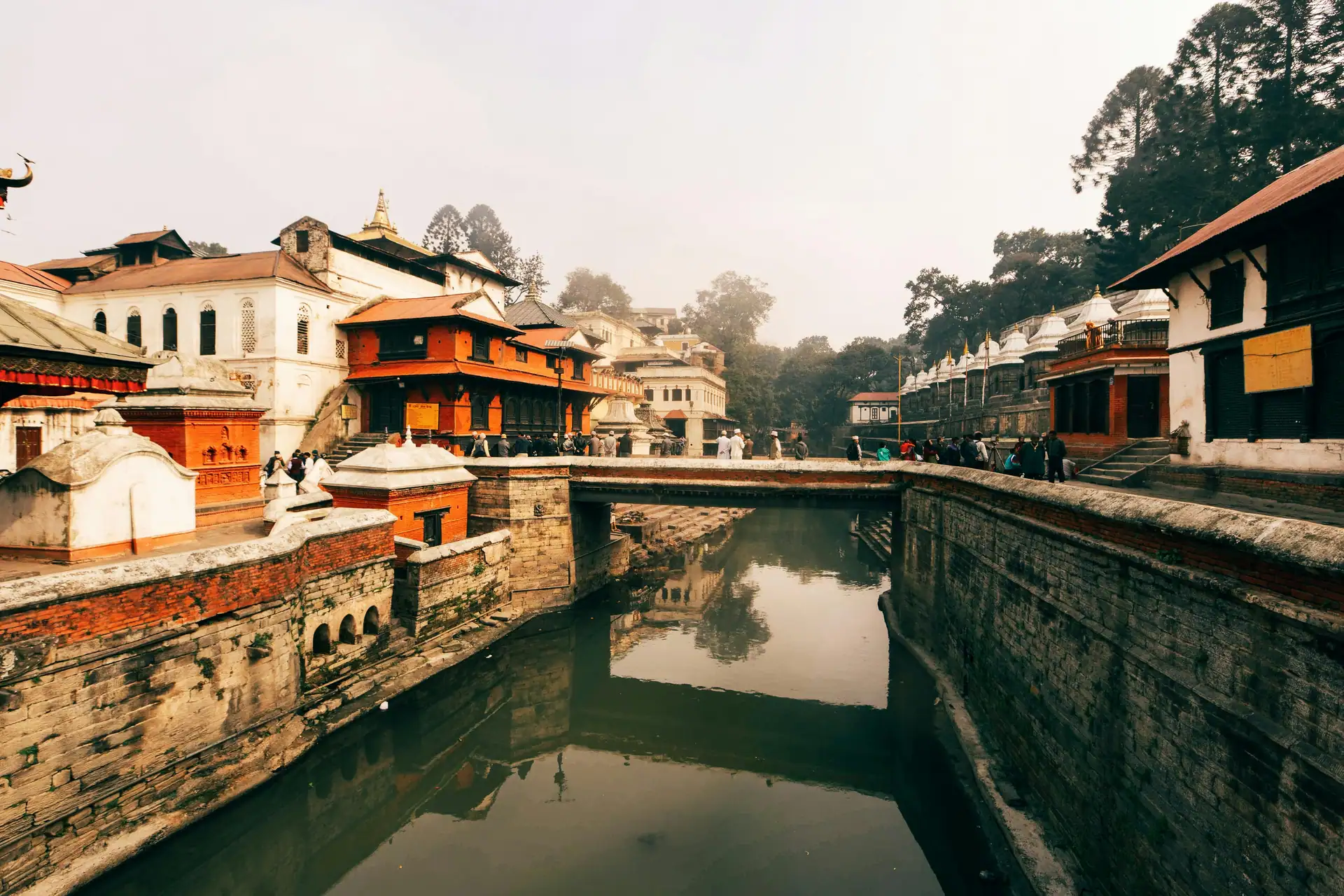
The temples of the Kathmandu Valley, Pashupatinath among them, can be visited all year. Maha Shivaratri at Pashupatinath, in February or March, draws sadhus from across the subcontinent and is worth planning a trip around.

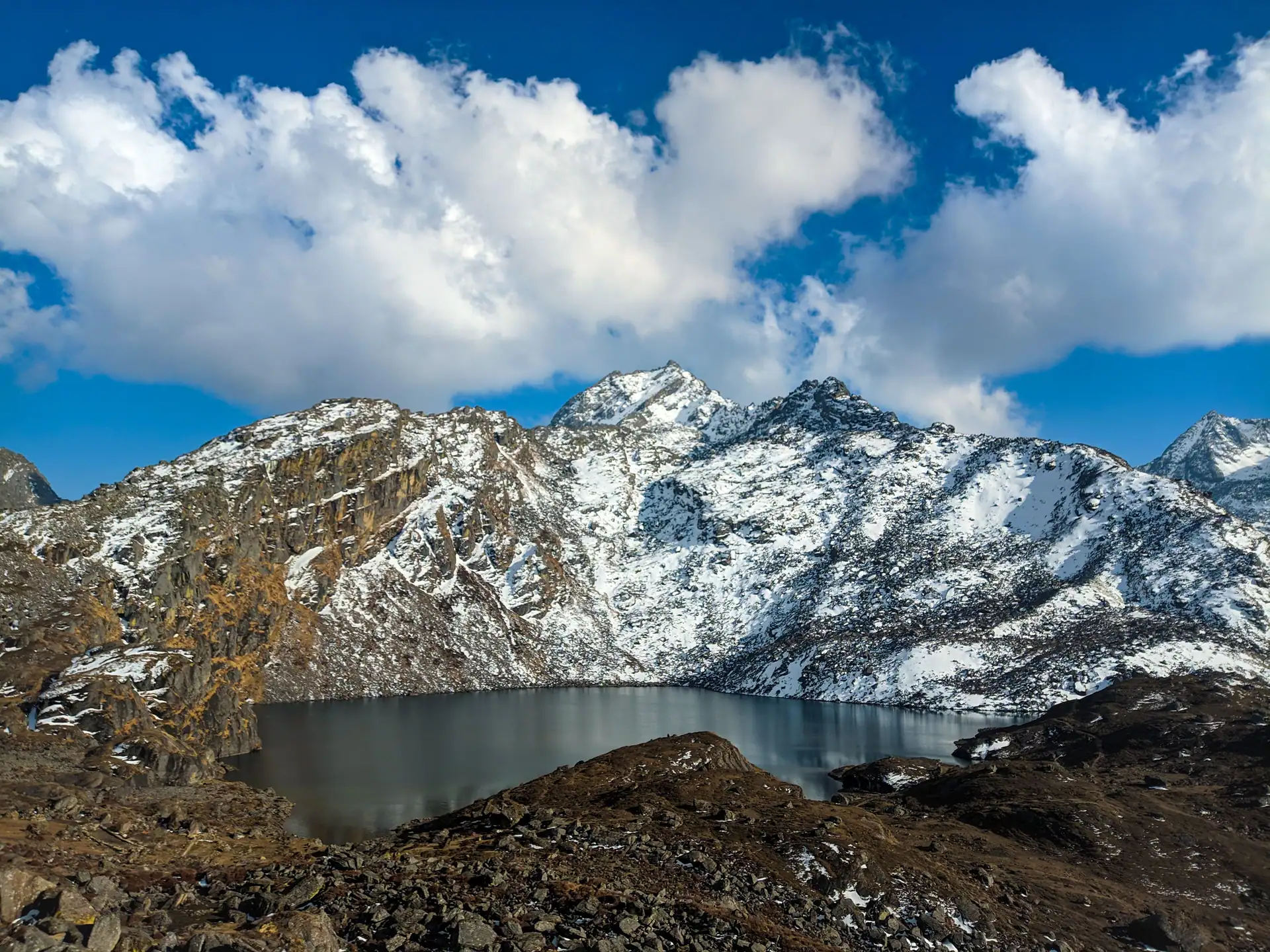
Gosaikunda is trekked from March to May and from September to November. At the full moon of Janai Purnima, in August, thousands of pilgrims climb to the lake to bathe.

The best months for Muktinath are March to June and September to November. From June to August the monsoon brings floods and landslides to the Kali Gandaki road below it.
Which visas and permits does a Shiva yatra need?

Indian citizens need no visa for Nepal. As of October 2026 other SAARC citizens receive up to 30 days free once in a visa year, and everyone else pays USD 30 for 15 days, USD 50 for 30 days or USD 125 for 90 days.

Muktinath lies in the Annapurna Conservation Area. As of October 2026 its permit costs NPR 3,000 for foreign nationals, NPR 1,000 for SAARC nationals, including Indians, and NPR 100 for Nepalis. Entry to the temple itself is free.

Gosaikunda lies in Langtang National Park, and foreign trekkers in Nepal’s national parks must now walk with a licensed guide. The Gosaikunda Trek includes the guide, the park permit and the TIMS card. Halesi Mahadev needs no permit.

How high do the Shaiva journeys go?

Muktinath stands at 3,710 metres and Gosaikunda at 4,380 metres. US CDC guidance says altitude illness can begin above about 2,450 metres, and headache, nausea and poor sleep are common above 3,000 metres.

Confusion, breathlessness at rest or a cough that will not settle are warning signs, and the treatment that works is going down. Walk slowly, drink plenty of water, do not drink alcohol, and tell your guide the moment you feel wrong rather than at the end of the day.

Anyone with a heart or lung condition should see a doctor before booking a journey to Muktinath or Gosaikunda.

How hard are the Shaiva journeys?

The road journeys are long. On the Nepal Shiva Yatra most driving days take about six hours, Janakpur to Pokhara takes about ten, and the road from Beni to Jomsom is rough in places in any season.

The Halesi cave is entered down steep steps. The Gosaikunda trail is long flights of steep stone steps, and its first day on foot climbs about 1,370 metres, from Dhunche to Chandanbari.

What should I pack for a Shiva yatra?

Layers rather than one heavy coat for Muktinath and Gosaikunda. The temperature drops sharply the moment the sun goes behind a ridge.

Broken-in boots for the Gosaikunda trail, high-factor sun cream and lip balm, a wide hat and proper sunglasses. The ultraviolet at altitude burns skin that has never burned before.

What are the rules at the Shiva temples?

Shoes come off before you enter, and leather belts and bags are left outside at Pashupatinath. The inner sanctum there is open to Hindus only, a rule the temple has kept for centuries and one that is enforced.

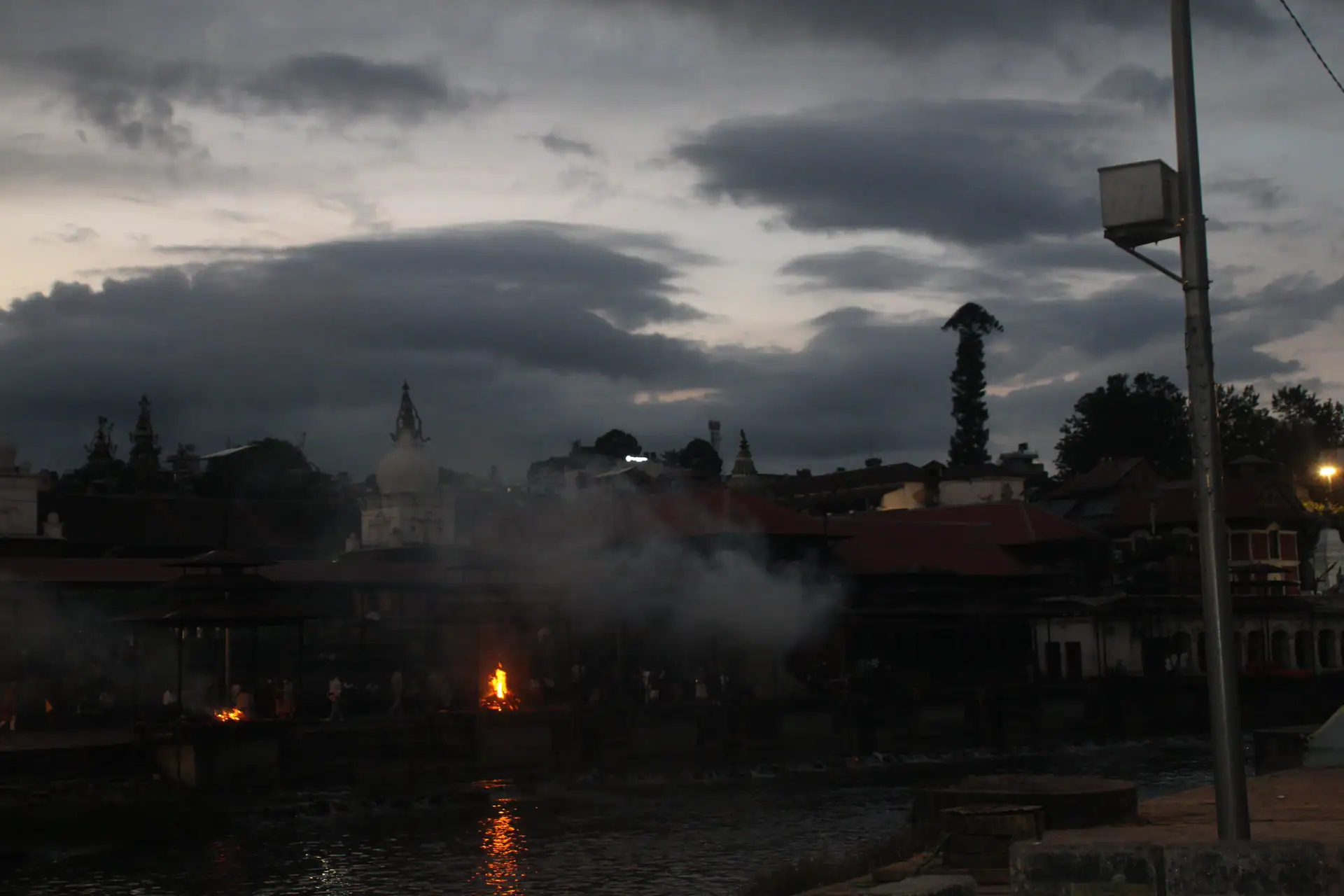
Photography is restricted around the cremation ghats. If you are unsure, do not raise the camera, and never point it at a family at a funeral.

Walk clockwise around a shrine or a lingam, and around a stupa. Circumambulation is the rite: it is how the visit is made.

Sacred sites on this path

Shaiva Journeys

All journeys