Before You Book
Who is the Nepal Vaishnav Yatra for?
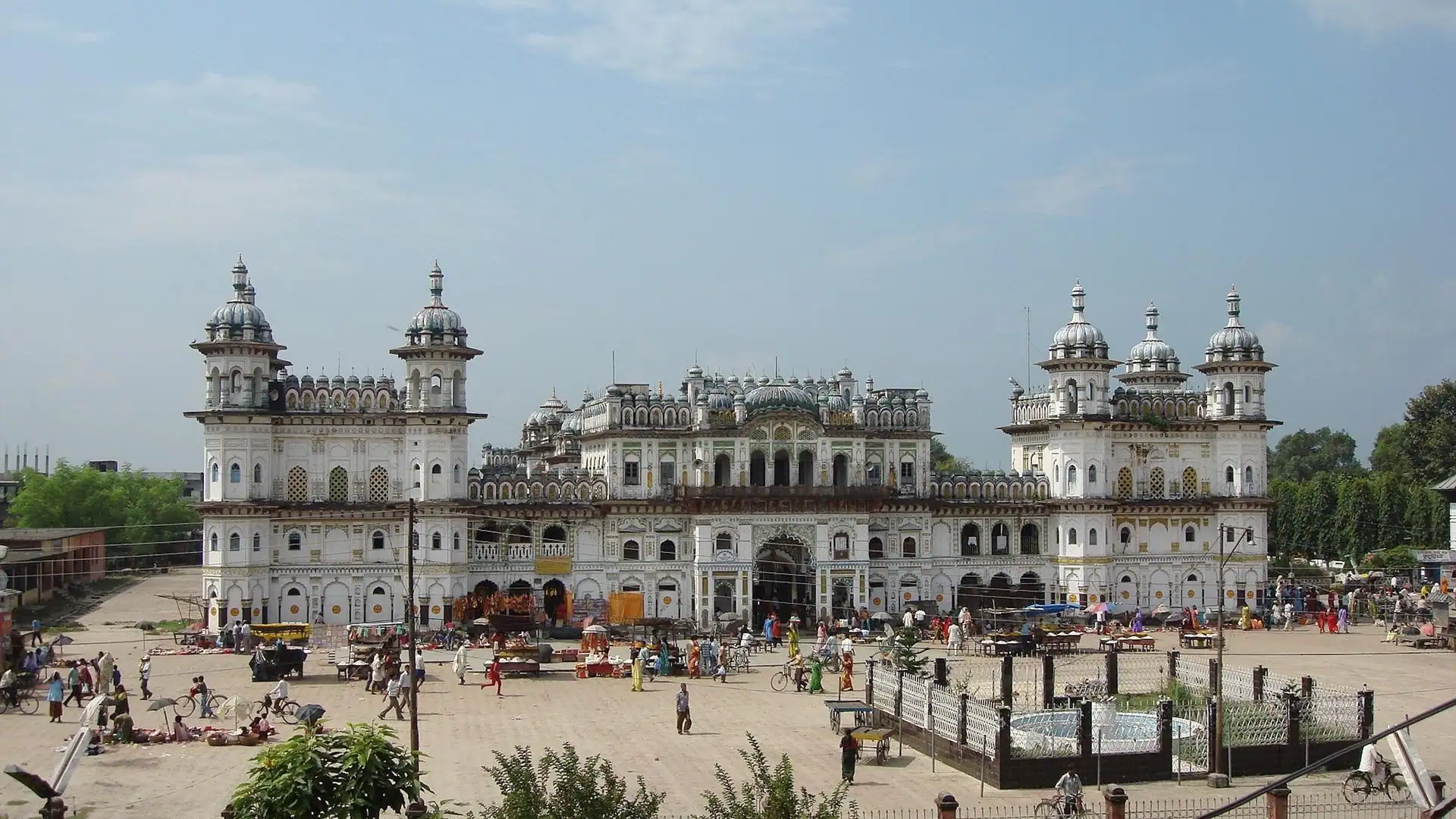
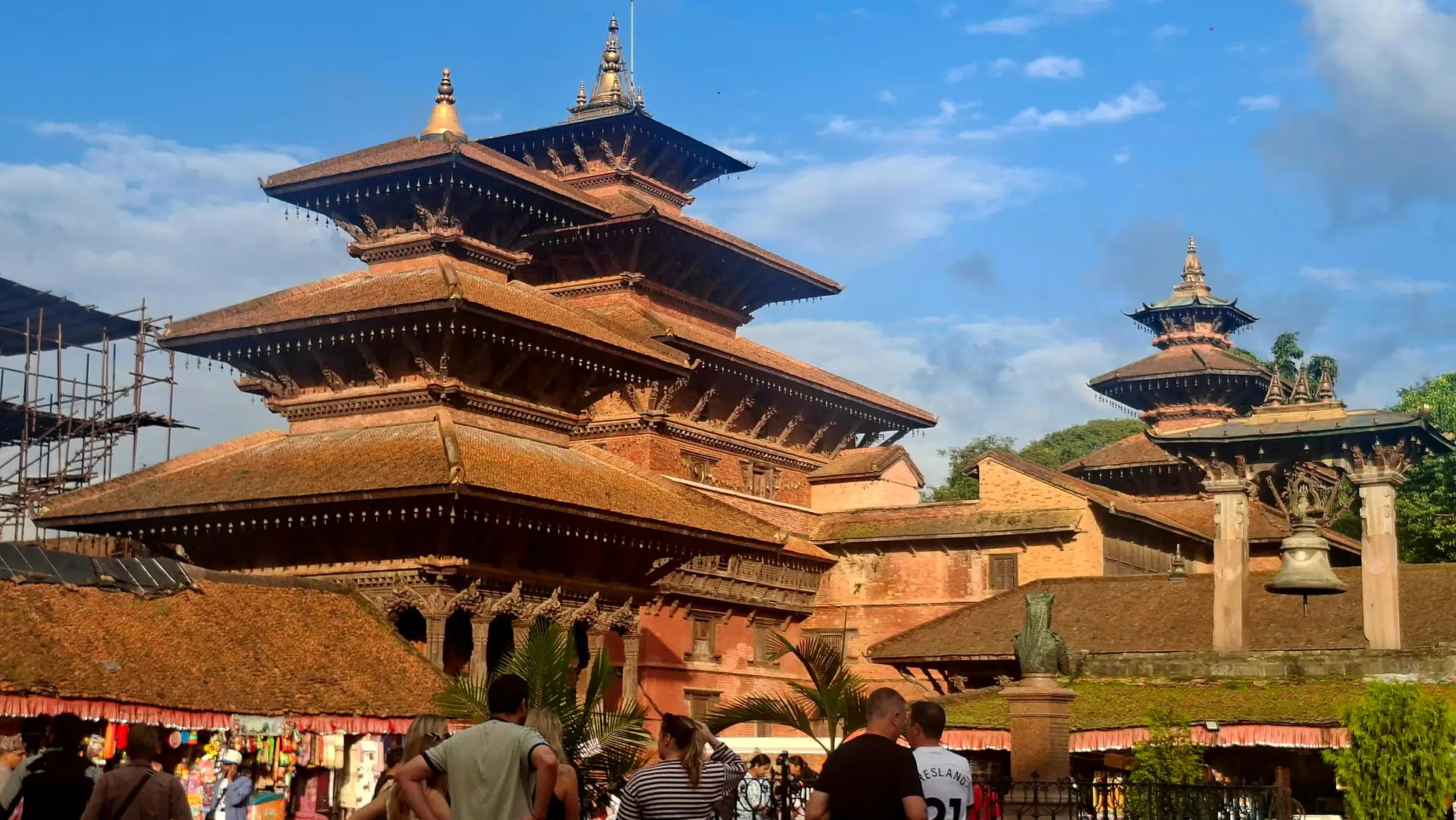
The yatra is planned for groups: Vaishnav and Krishna communities, temple and spiritual organisations, families, and devotees travelling from India, Malaysia, Singapore and further afield. The pace is steady rather than hurried. It spends six days in the Kathmandu Valley, three in Janakpur, a night in Chitwan and two in Pokhara, then takes three nights to climb the Kali Gandaki before Muktinath.
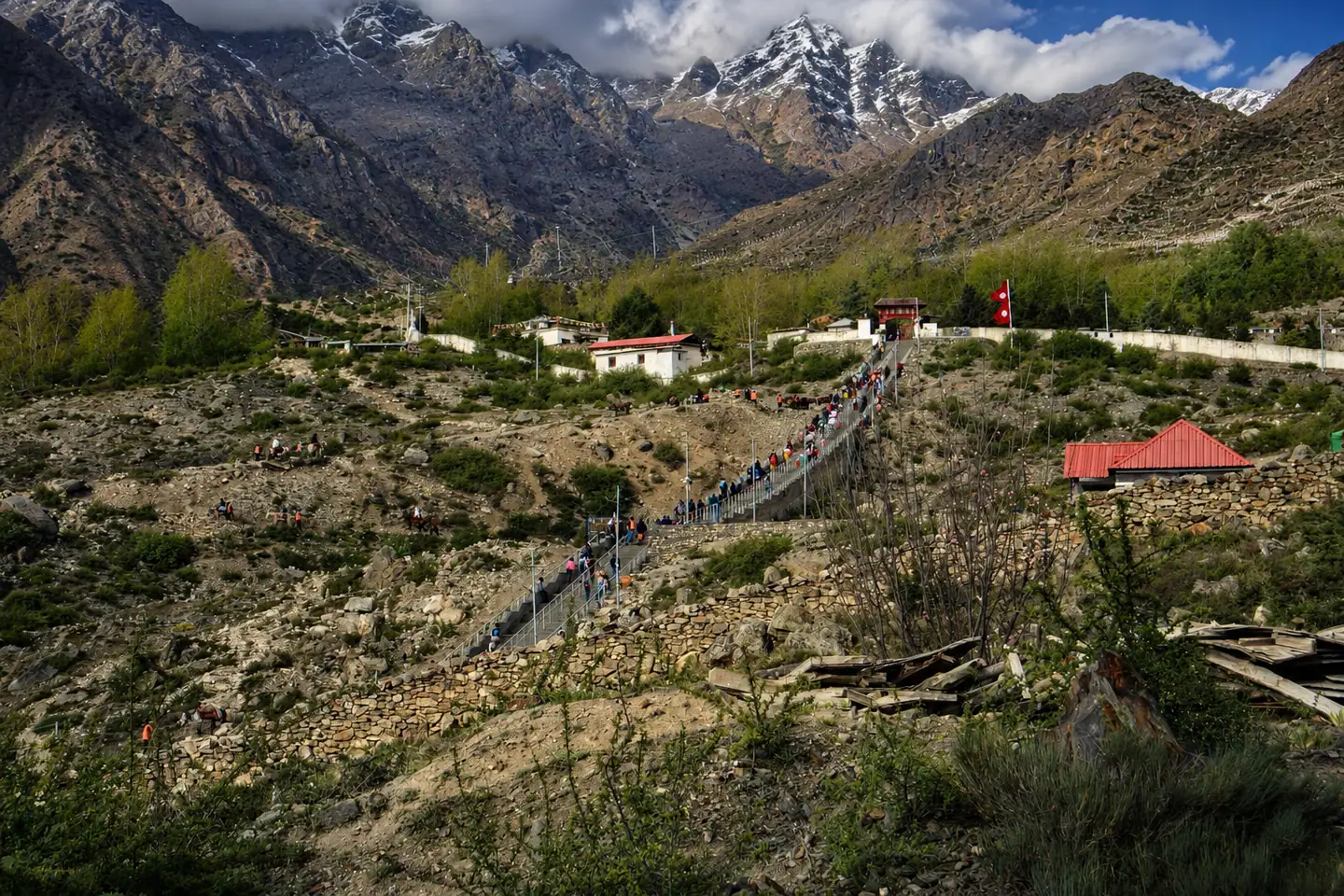
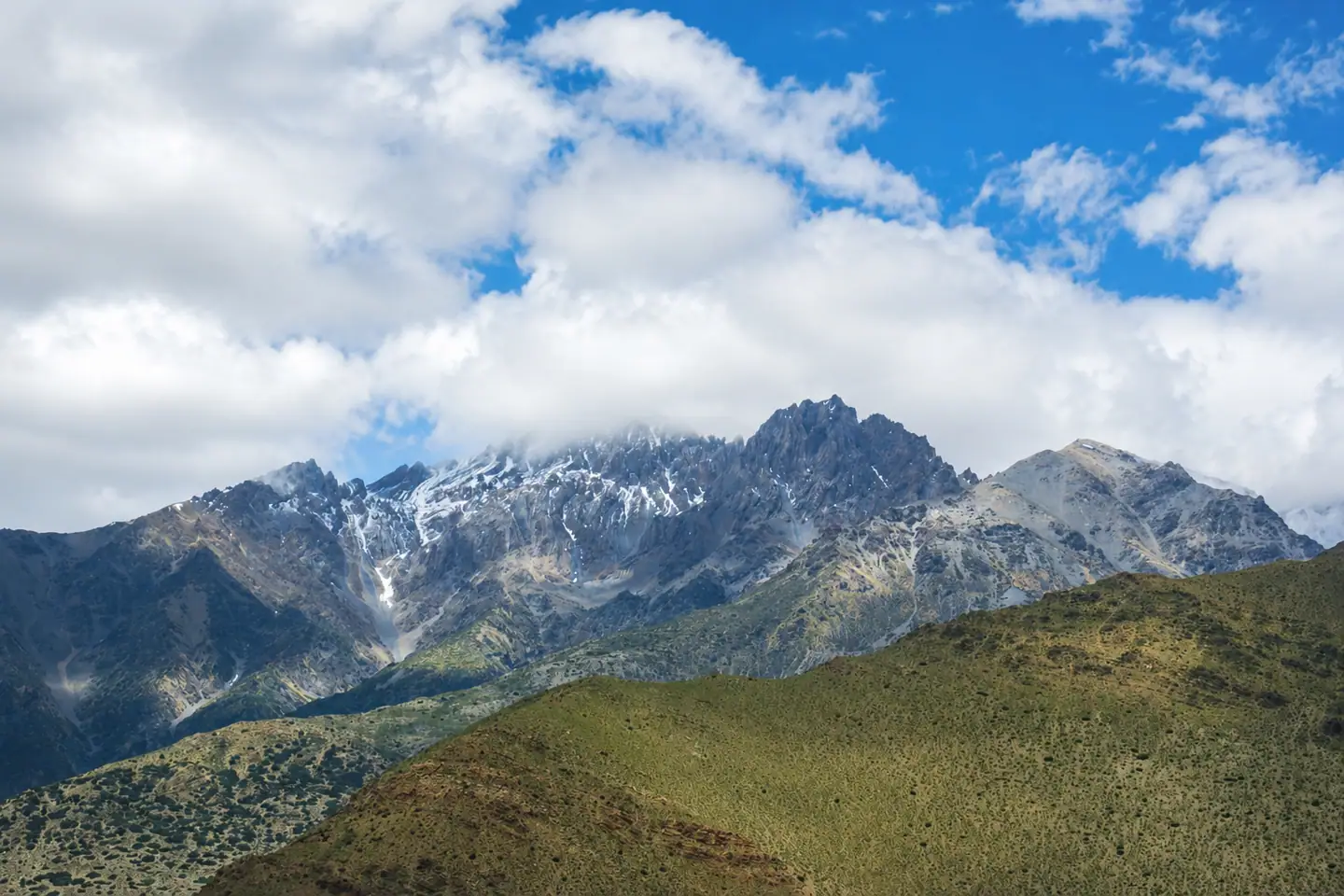
Most of the journey is easy, but two things need planning. The first is altitude. Pokhara sits at about 820 metres and Muktinath at 3,710 metres, and the yatra climbs between them gradually, with a night at Tatopani, at about 1,190 metres, a night at Marpha and a night at Jomsom, at 2,743 metres, before darshan on day sixteen. US CDC guidance says altitude illness can begin above about 2,450 metres. Drink plenty of water and go slowly on the walk of 20 to 30 minutes from the jeep road to the temple, where a horse can be hired. Tell your guide at once about a headache, breathlessness or dizziness. After darshan the group returns to Jomsom for the night and starts down the valley the next morning. Anyone with a heart or lung condition should ask their doctor first.
The second is travel. The Nepal Vaishnav Yatra goes everywhere by private vehicle with a professional driver, with a private 4WD vehicle for the Kali Gandaki and Mustang section, and uses no domestic flights. Kathmandu to Janakpur is a drive of about 6 hours over about 210 km, and Pokhara to Tatopani about 6 hours. The long legs are broken with nights in Chitwan, Tatopani, Marpha, Tansen and Chitwan or Narayanghat, so the return after Ridi is split over two days. Road conditions, weather and vehicle access in Mustang are reconfirmed before departure.
As of October 2026, Muktinath requires an Annapurna Conservation Area Permit, checked at Ranipauwa below the temple. It costs NPR 3,000 for foreign nationals, NPR 1,000 for SAARC nationals, including Indians, and NPR 100 for Nepalis, and children under 10 go free. No restricted-area permit is needed as far as Kagbeni and Muktinath. Sama Yatra handles the permit and entry arrangements, and any government fee is advised in your quotation.
Indian citizens need no visa for Nepal. Under the Nepal Tourism Board’s visa rules, other SAARC citizens receive a free tourist visa of up to 30 days on a first visit in a visa year. As of October 2026 everyone else pays USD 30 for 15 days, USD 50 for 30 days or USD 125 for 90 days. Shaligrams are subject to export restrictions, so ask before any stone leaves Nepal.
The best months are March to mid-April and mid-September to November, when both Muktinath and Janakpur are at their best. From June to August the monsoon brings a risk of floods and landslides on the Kali Gandaki road and the Kagbeni corridor, and April to June brings strong heat on the Terai.
Groups of fewer than five pilgrims are quoted on request. A 30% deposit confirms the booking, and the balance is due before arrival. Bookings cannot be cancelled, but the journey can be postponed for up to two years at the same cost. Children are quoted at a reduced rate by age, and Indian pilgrims can be quoted in rupees.