Sama Yatra
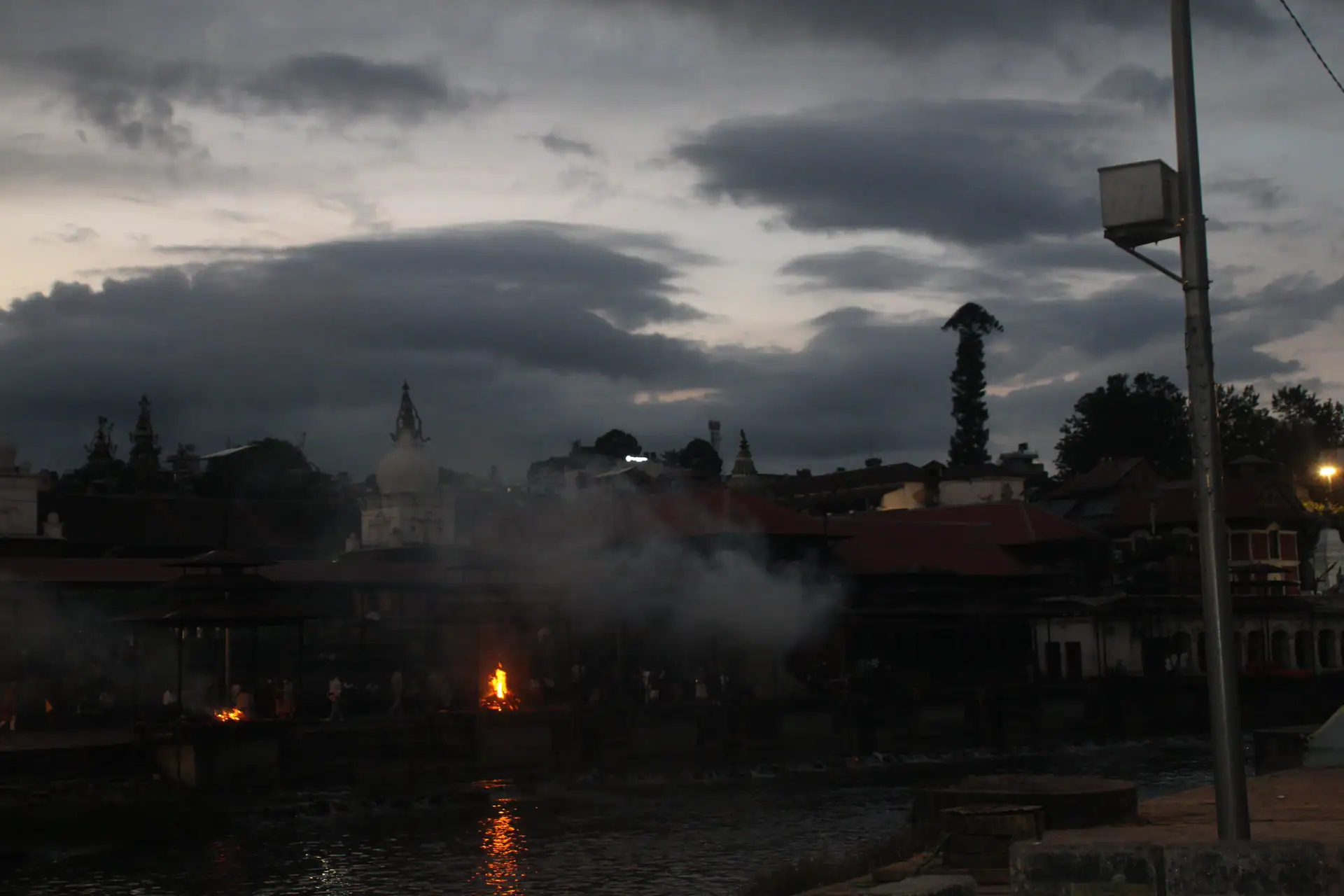
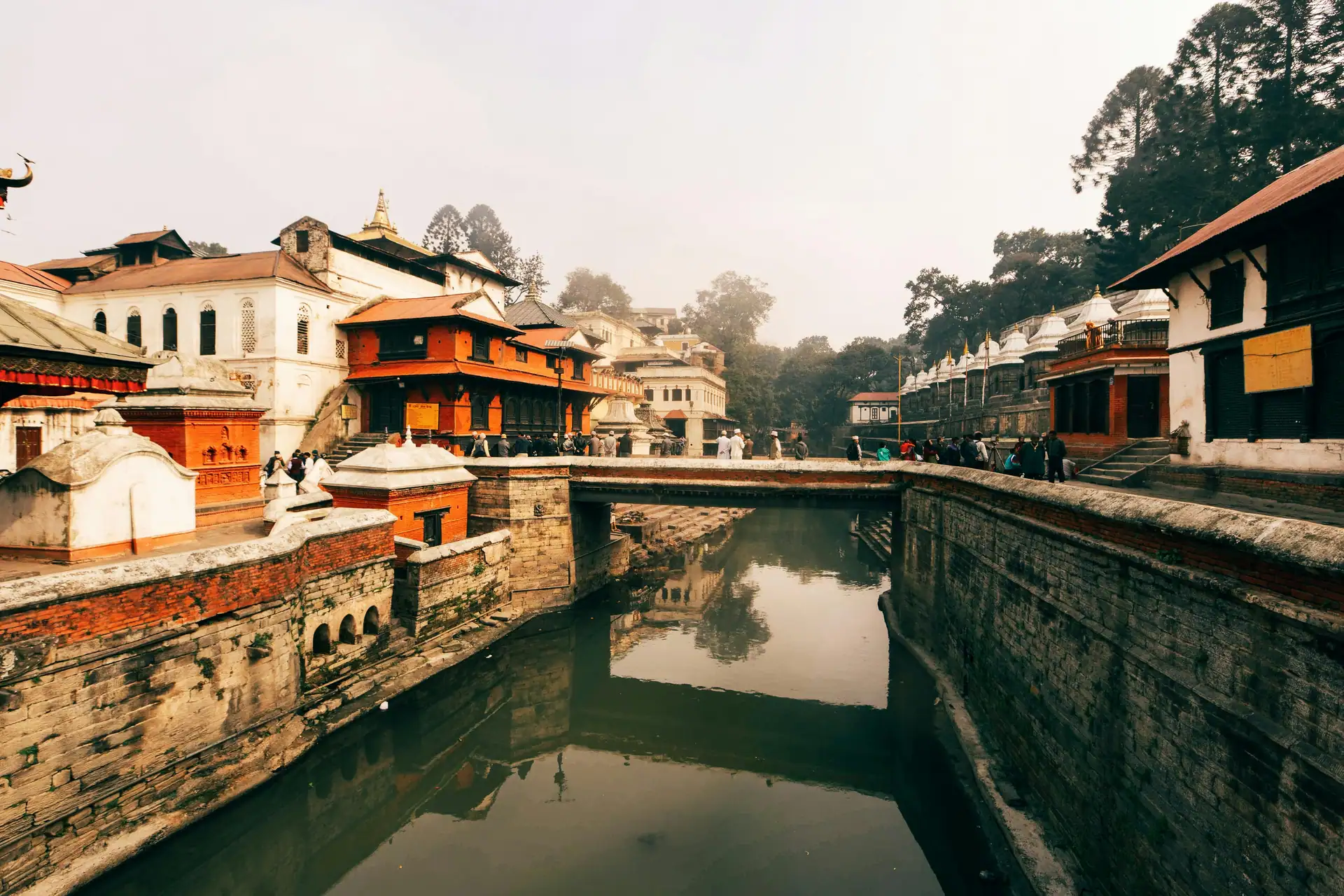
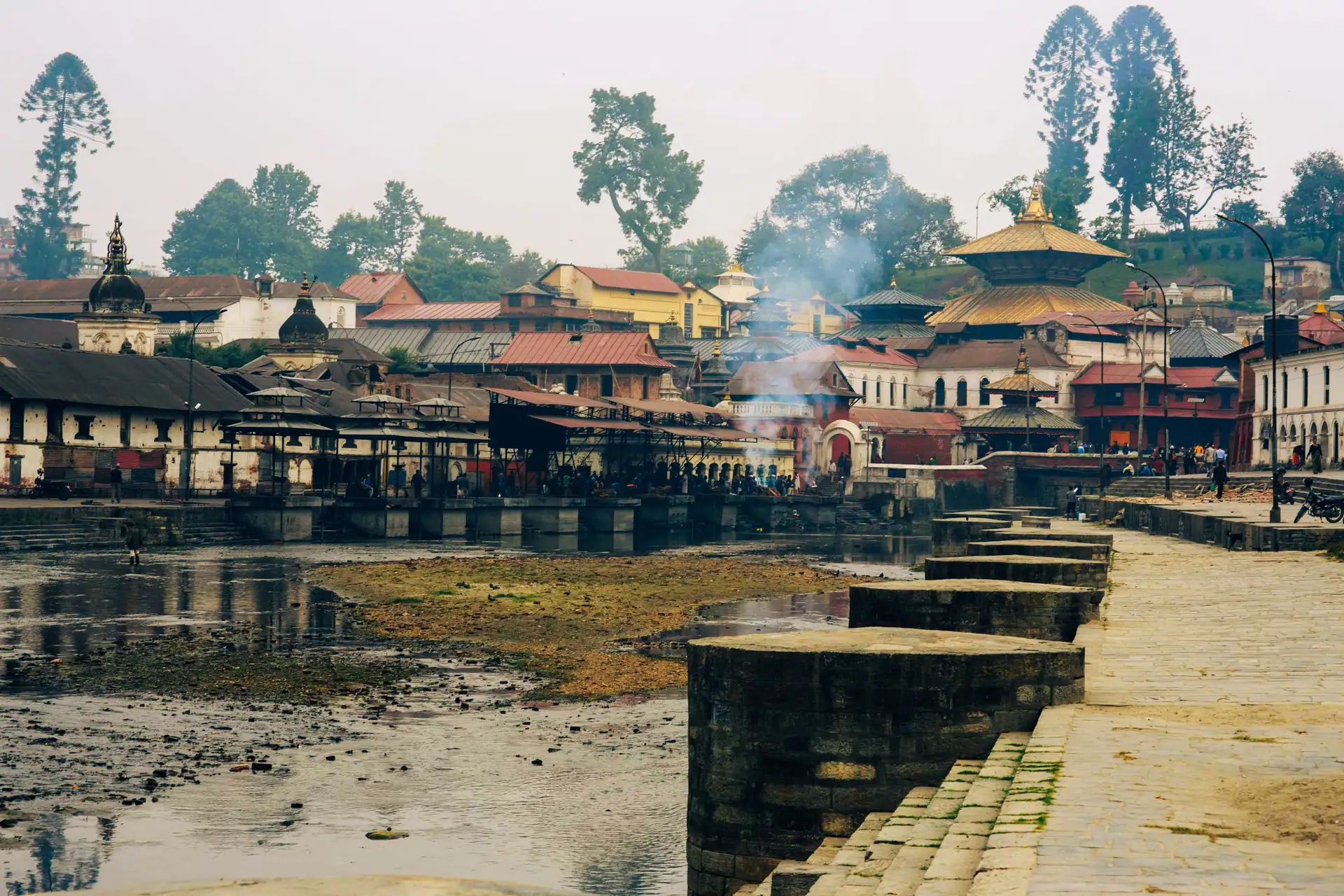
The stone cremation ghats along the Bagmati river at Pashupatinath at first light, smoke rising past the temple roofs behind

Kathmandu Mahadev DarshanSix Shrines of Mahadev in the Kathmandu Valley

The Kathmandu Mahadev Darshan is a 5-day pilgrimage to six Shiva shrines in and around Kathmandu, by private vehicle with an English-speaking guide and a three-star hotel in the city. It opens and closes at Pashupatinath, rides the Chandragiri cable car to Bhaleshwor Mahadev at about 2,500 metres, and visits Doleshwor Mahadev, which Nepali tradition holds to be the head of Kedarnath.

Journey at a Glance

Duration
5 Days4 nights in Kathmandu
Highest Point
About 2,500 mChandragiri, by cable car
Difficulty
EasyShort walks and some steps
Season
Year round
Group Size
2 and aboveNo upper limit
Start and End
KathmanduPrivate vehicle

Package Cost

USD1,430

per person

(Group of 21 or more)

2 to 11 travellers
$1,650
12 to 20 travellers
$1,595
21 and above
$1,430

Last updated

Overview

What is the Kathmandu Mahadev Darshan?

The Kathmandu Mahadev Darshan visits six places sacred to Lord Shiva in the Kathmandu Valley over five days, with time at each for darshan and reflection. It suits pilgrims who want the Shiva shrines of the valley without long drives or altitude: every night is spent at the same hotel in Kathmandu.

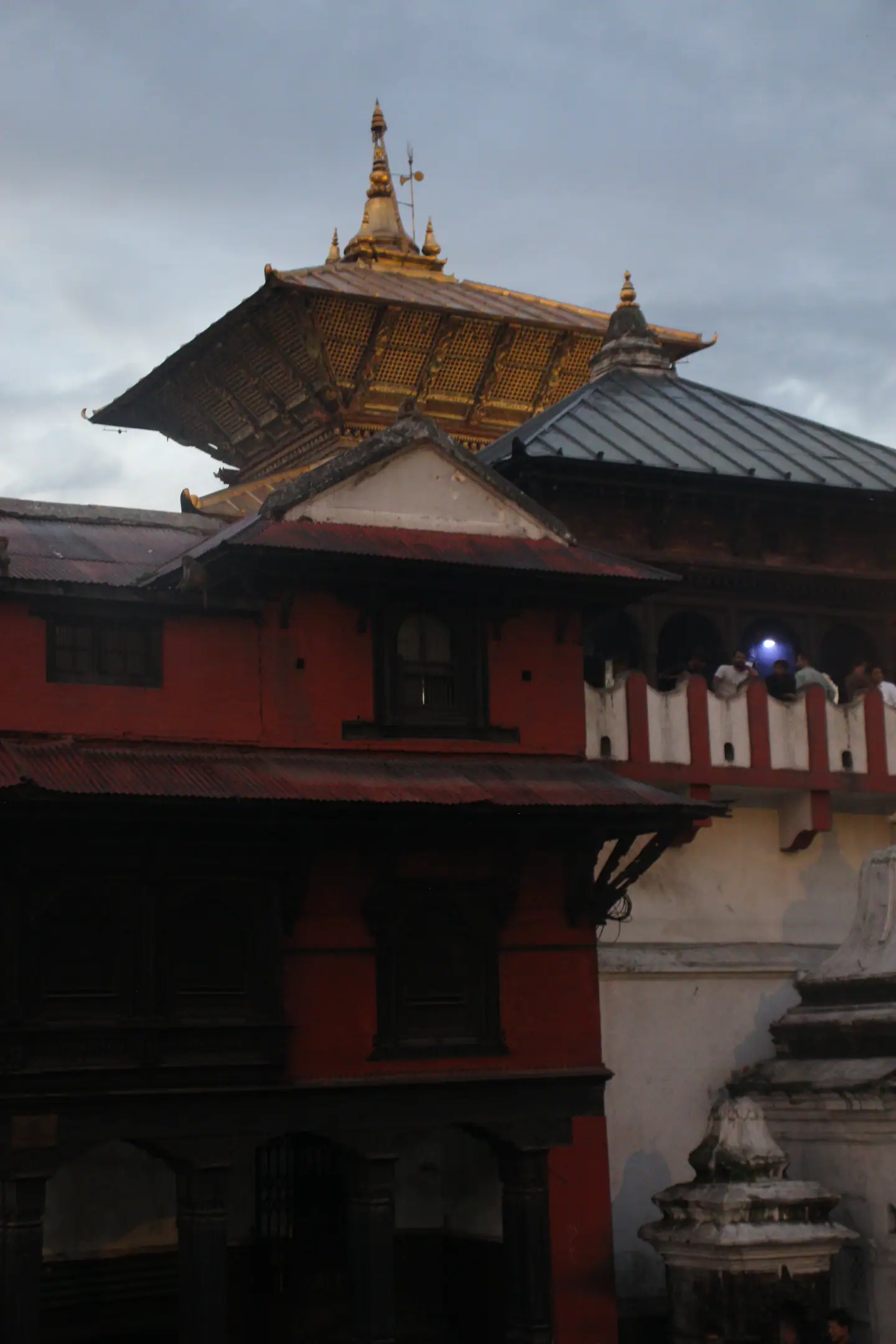
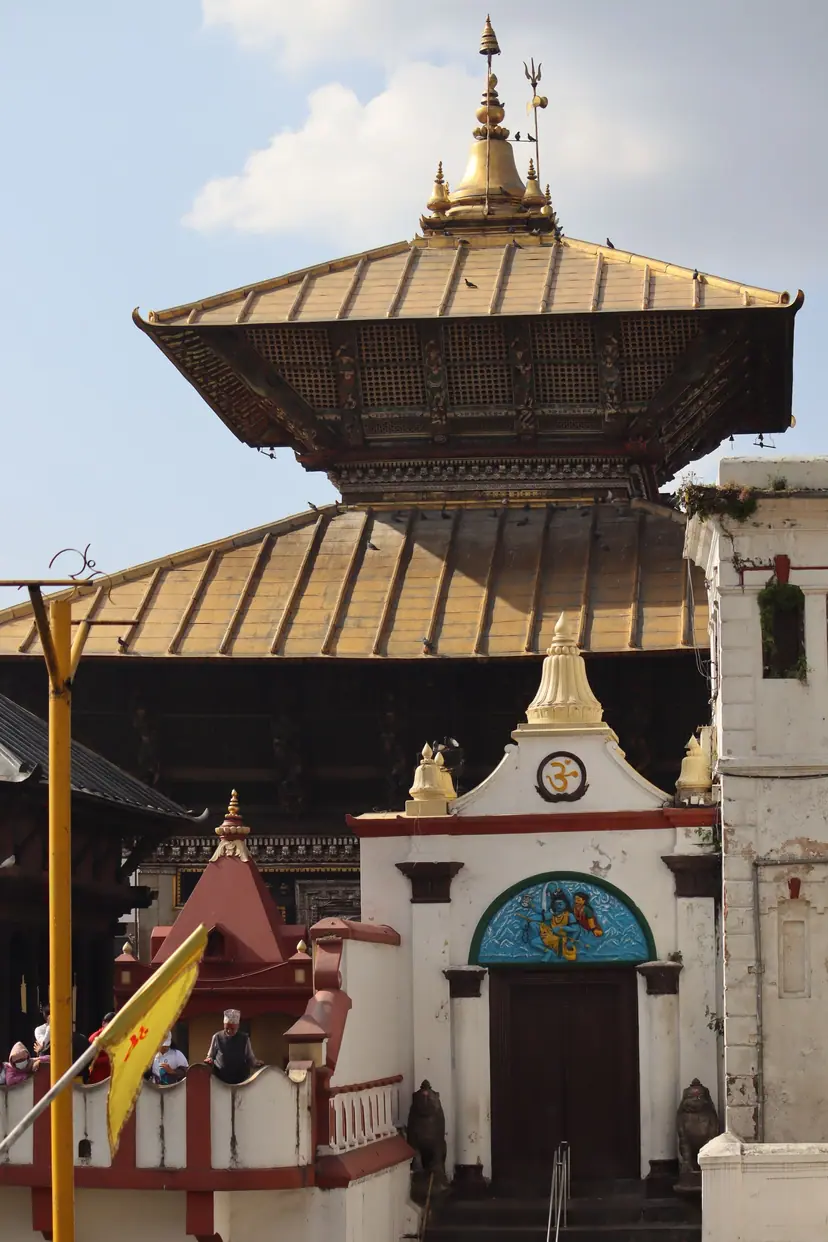
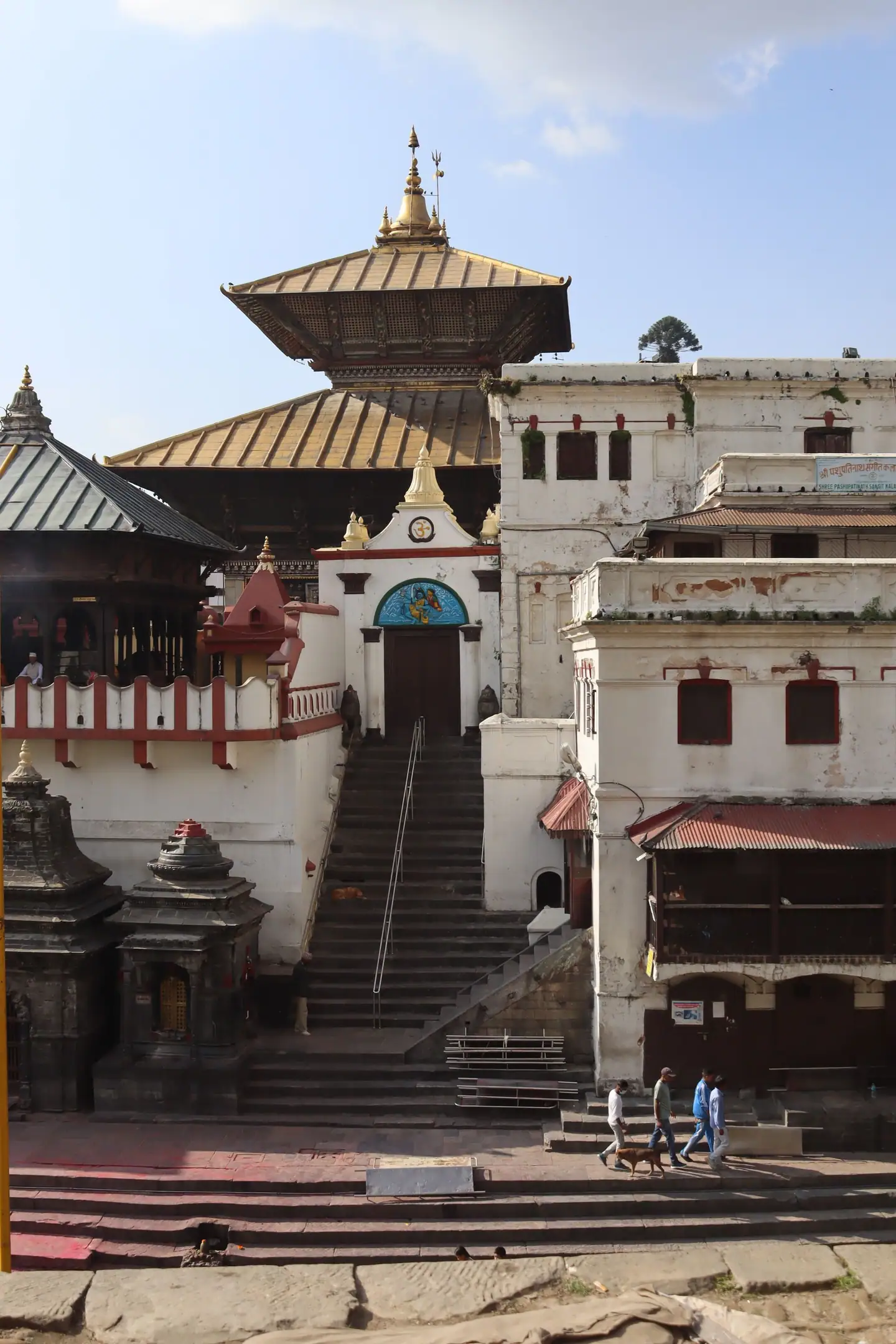
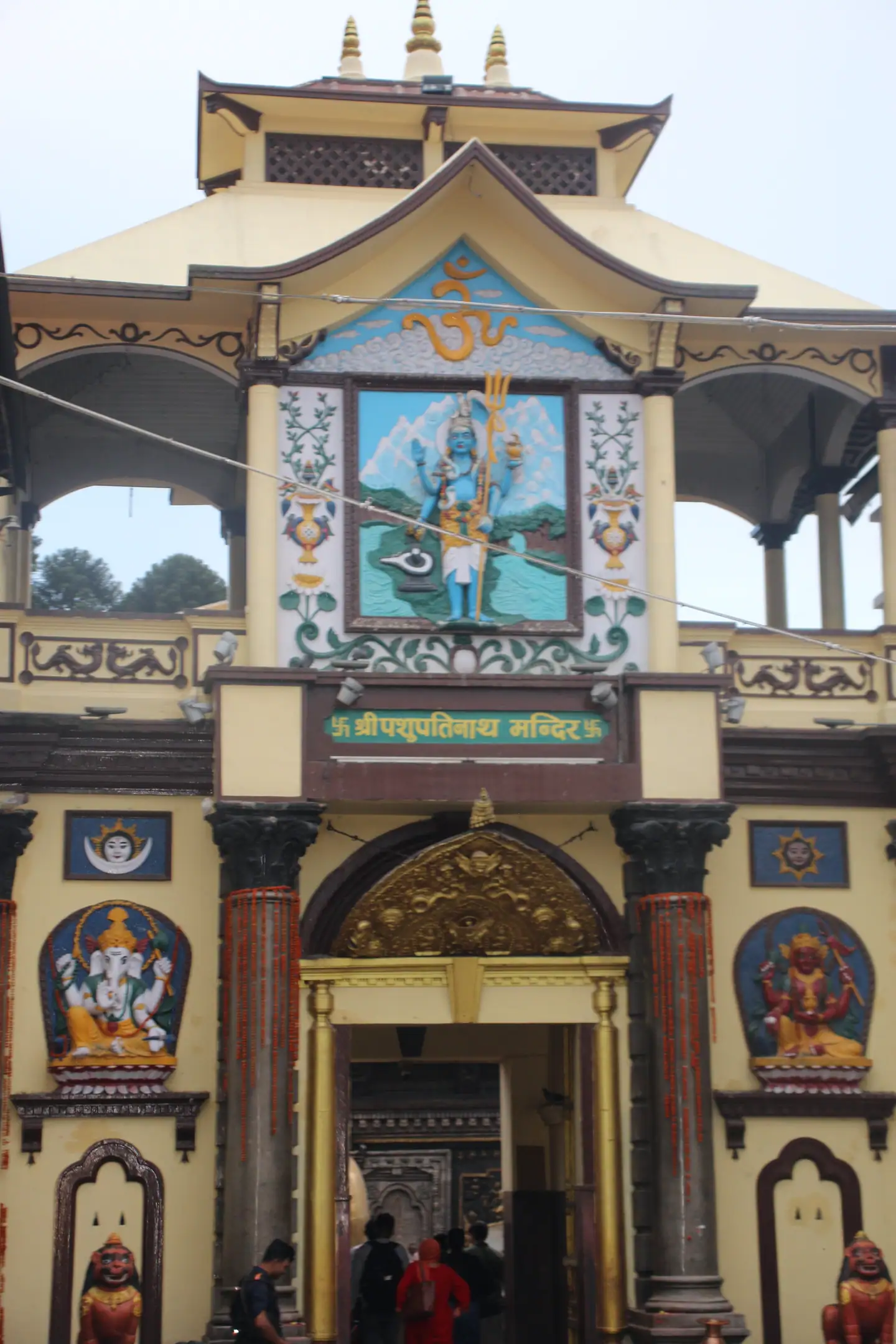
Pashupatinath, on the Bagmati in Kathmandu, is where Shiva is worshipped as Pashupati, protector of living beings. It is the first darshan on arrival and the last before departure. As of October 2026 only Hindus may enter the main sanctum, the whole complex is open to visitors, and foreign visitors other than Indians pay NPR 1,000 a day to enter.

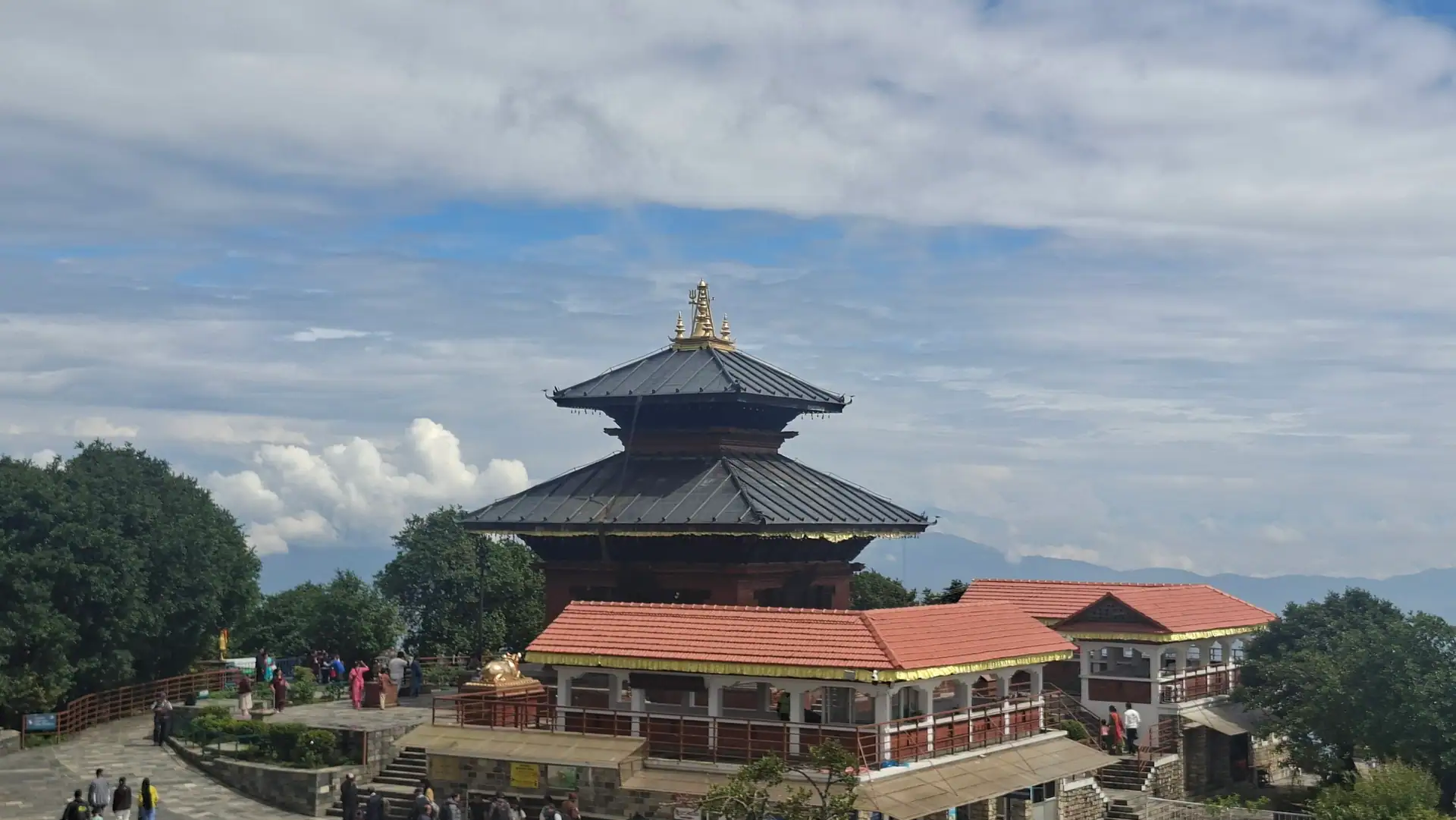
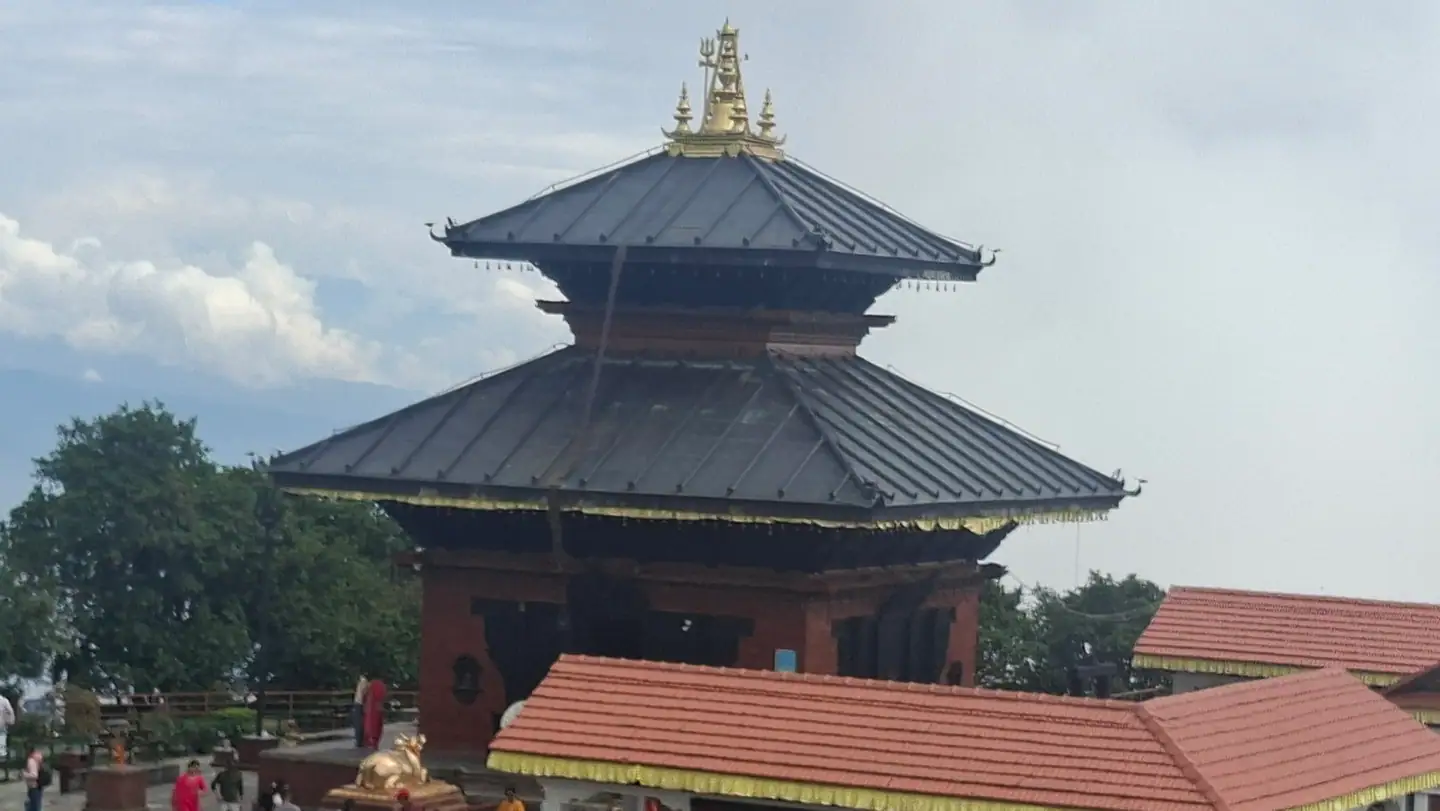
Bhaleshwor Mahadev stands on top of Chandragiri, on the valley’s south-western rim. A cable car of about 2.4 km climbs to the hilltop in about 9 minutes, and the temple is a short walk along the ridge.

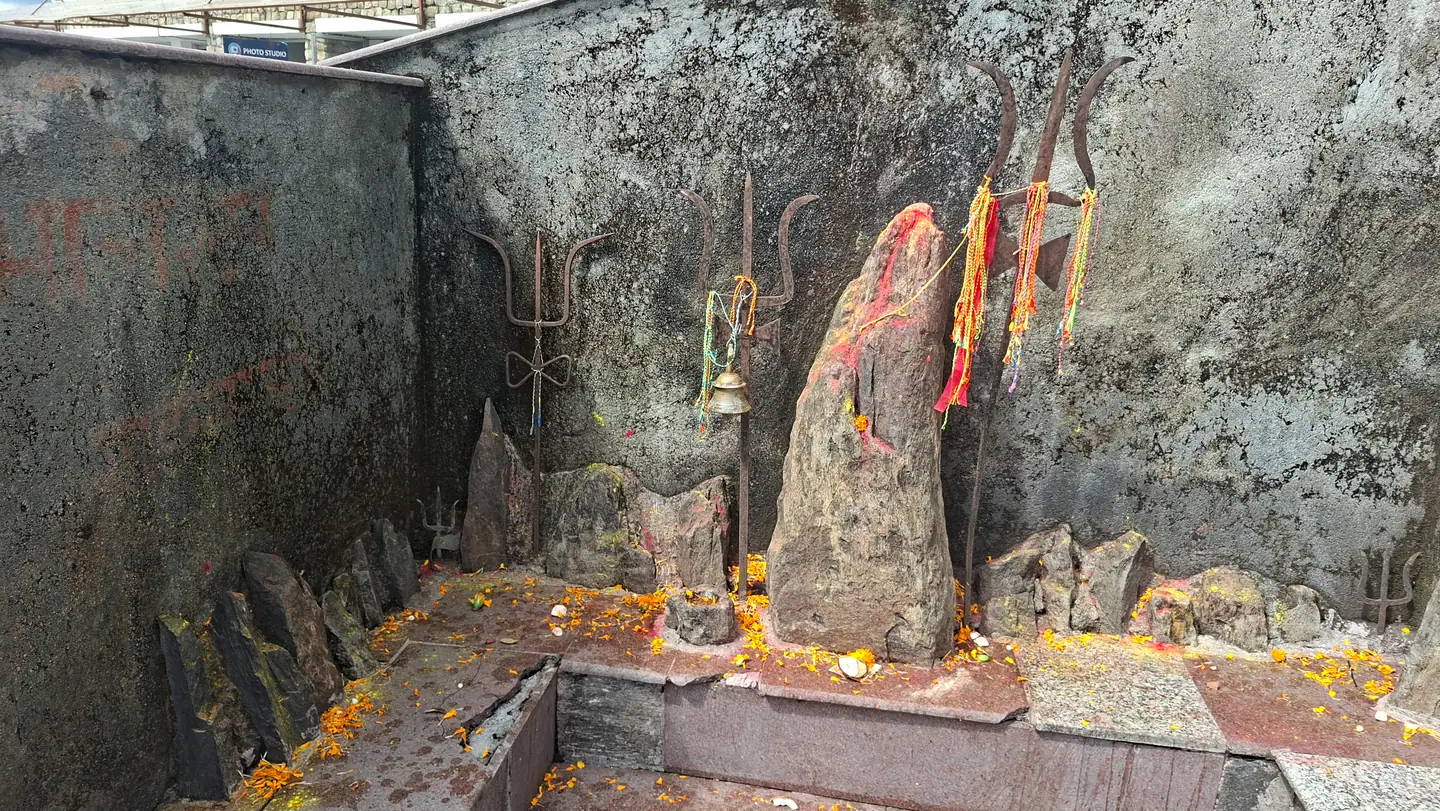
Doleshwor Mahadev, at Sipadol in Bhaktapur, about 20 km from Kathmandu, is revered as the head of Kedarnath. In the story of the Pandavas, Shiva took the form of a bull to escape them, and the body is worshipped at Kedarnath in India while the head is held to be at Doleshwor. On 22 August 2009 the head priest of Kedarnath declared Doleshwor its head.

Nearby at Sanga stands the Kailashnath Mahadev statue, a standing figure of Shiva about 143 feet (43.5 m) tall and the tallest statue of Shiva in Nepal.

Gokarneshwar Mahadev stands on the Bagmati at Gokarna, about 8 km north-east of Kathmandu. On Gokarna Aunsi, the new moon of Bhadra in late August or early September, which Nepal keeps as Father’s Day, people whose fathers have died come here to bathe and offer tarpan and shraddha. Santaneshwar Mahadev, a small temple reached by a steep climb at Jharuwarasi in Lalitpur, is where couples come to pray for a child.

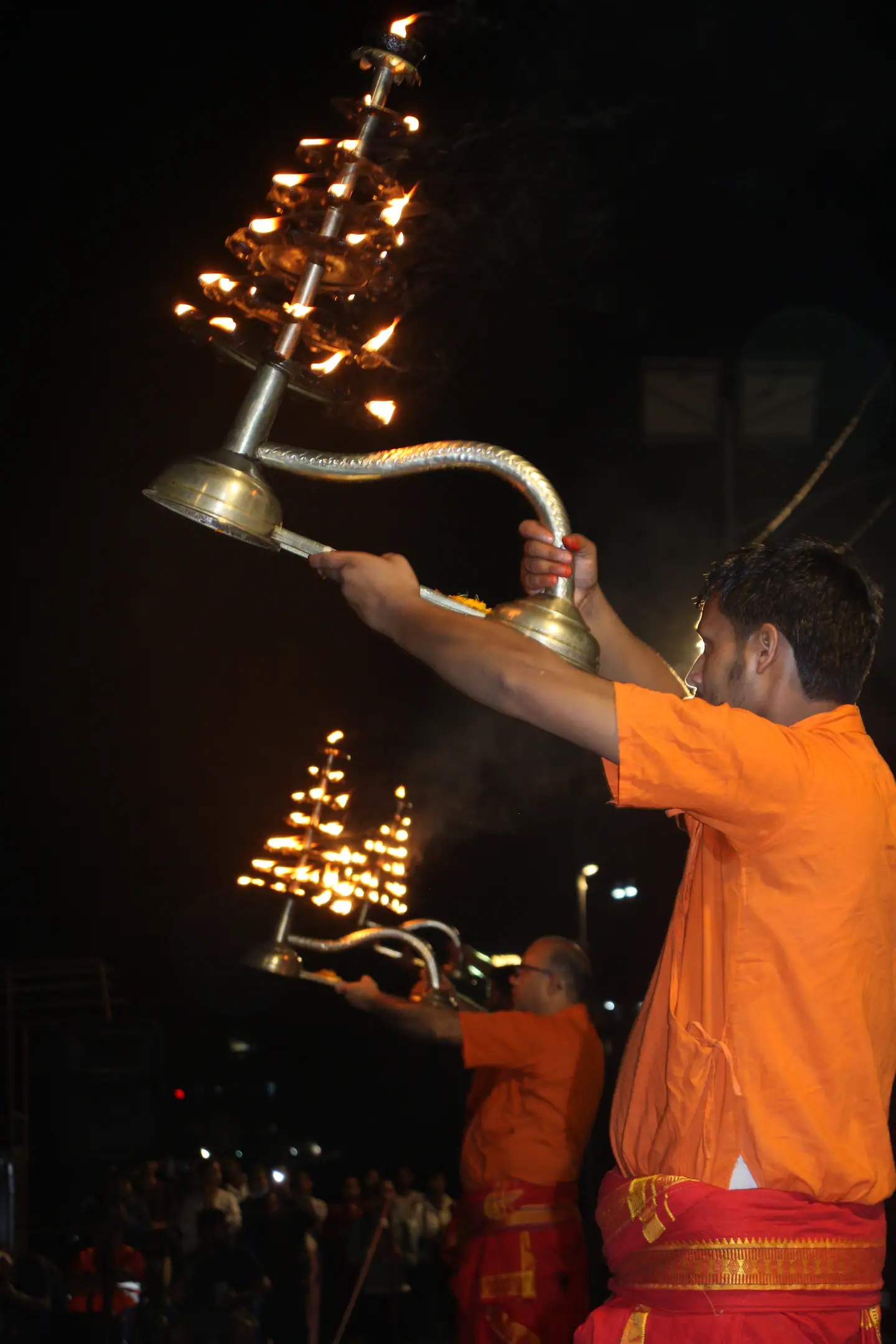
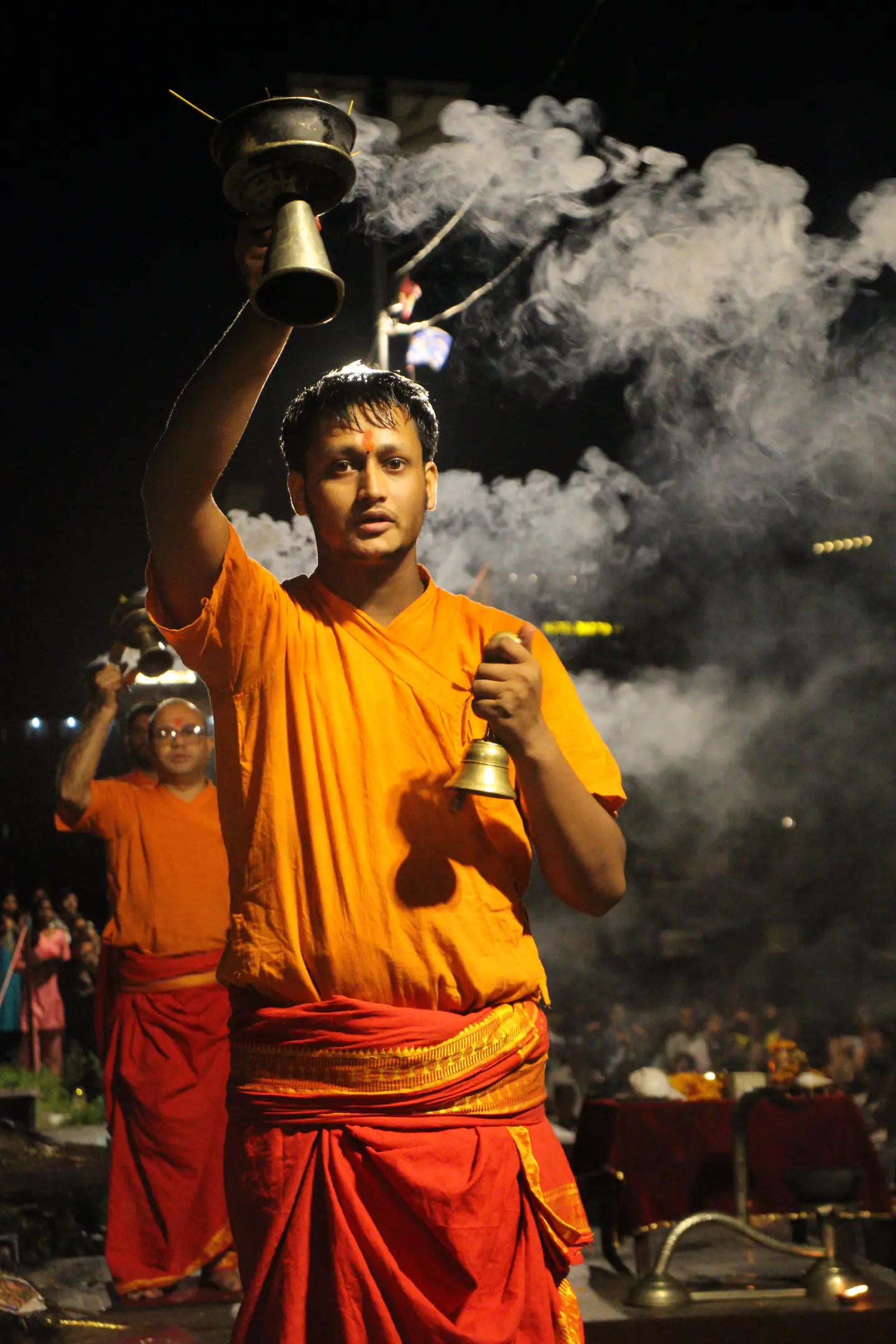
A priest in saffron raising a smoking incense burner and ringing a bell during the evening aarti on the Bagmati at Pashupatinath

“The first darshan and the last are both at Pashupatinath.”

Before You Book

Pujas, Festivals and What to Know

The Kathmandu Mahadev Darshan runs all year, on the dates your group chooses, subject to weather and conditions at the temples. There are no fixed departures, and it runs for groups of two or more with no upper limit. You stay in a three-star hotel in Kathmandu, twin or double sharing, with upgrades at extra cost, and vegetarian meals can be arranged throughout.

Basic samagri for personal offerings, such as flowers, incense and red vermilion, is included where appropriate, and Sama Yatra helps arrange any puja you request in advance. A priest performs it, booked through the temple’s official counter or directly, depending on the ritual. The pujas themselves, special priest fees and extra samagri are paid separately.

As of October 2026 the Pashupati Area Development Trust publishes the puja rates for Pashupatinath, paid in Nepalese rupees. The table below gives them with their dollar value at NPR 153.49 to the dollar. A Lakhbatti Puja, an offering of many small oil lamps, is not on the trust’s list, and its cost is confirmed with the temple or priest.

Puja rates at Pashupatinath as published by the Pashupati Area Development Trust, checked on 16 October 2026. Dollar figures at NPR 153.49 to the dollar.
PujaNPRAbout USD
Panchamrit Puja2,10014
Panchamrit with Balbhog3,10020
Panchamrit Puja with Rudrabhishek and Balbhog7,50049
Panchamrit Puja with Laghurudrabhishek and Purabhog15,10098
Panchamrit Puja with Rudrabhishek, Purabhog and 125,000 Deep Arati35,000228
Panchamrit Puja with Laghurudrabhishek, Purabhog, Hawan and 125,000 Deep Arati65,000424
Daily Nitya Puja with Purabhog, with the devotees171,0001,114
Ekdiwasiya Maharudri, one day321,0002,091
Ekadas Diwasiya Maharudri, 11 days800,0015,212
Ekadas Diwasiya Atirudri, 11 days2,500,00016,288

Panchamrit is an offering made with a mixture that commonly includes milk, yogurt, honey, ghee and sugar. Rudrabhishek is the worship of Shiva with sacred offerings and the chanting of Rudra mantras, and Laghurudrabhishek is a longer form with prescribed recitations. Deep Arati is an offering of lamps, Hawan is a fire ritual with mantras, and Maharudri and Atirudri are extensive group or multi-day forms of Rudra worship.

Monday is traditionally Shiva’s day and brings bigger crowds to Pashupatinath. The Mondays of Shrawan, usually July to August, are an especially auspicious time when many pilgrims fast and offer water or milk; in 2026 the temple opened at 3:00 am on those days.

Maha Shivaratri, usually February to March, brings night-long worship and more than a million visitors, and published calendars put it on 6 March in 2027. Teej, usually August to September, honours Shiva and Parvati, especially for women. Bala Chaturdashi, usually November to December, remembers departed family members with offerings around the temple complex, and Dashain and Tihar, usually September to November, bring special worship.

As of October 2026, Indian citizens need no visa for Nepal. Citizens of other SAARC countries except Afghanistan receive up to 30 days free once in a visa year, and everyone else buys a tourist visa, which costs USD 30 for 15 days, USD 50 for 30 days or USD 125 for 90 days.

A Hindi-speaking guide can be requested, subject to availability. A 30% deposit confirms the booking. Bookings cannot be cancelled, but the journey can be postponed for up to two years at the same cost. Rooms are twin or double sharing. There is no separate child price, and Indian pilgrims can discuss paying in rupees.
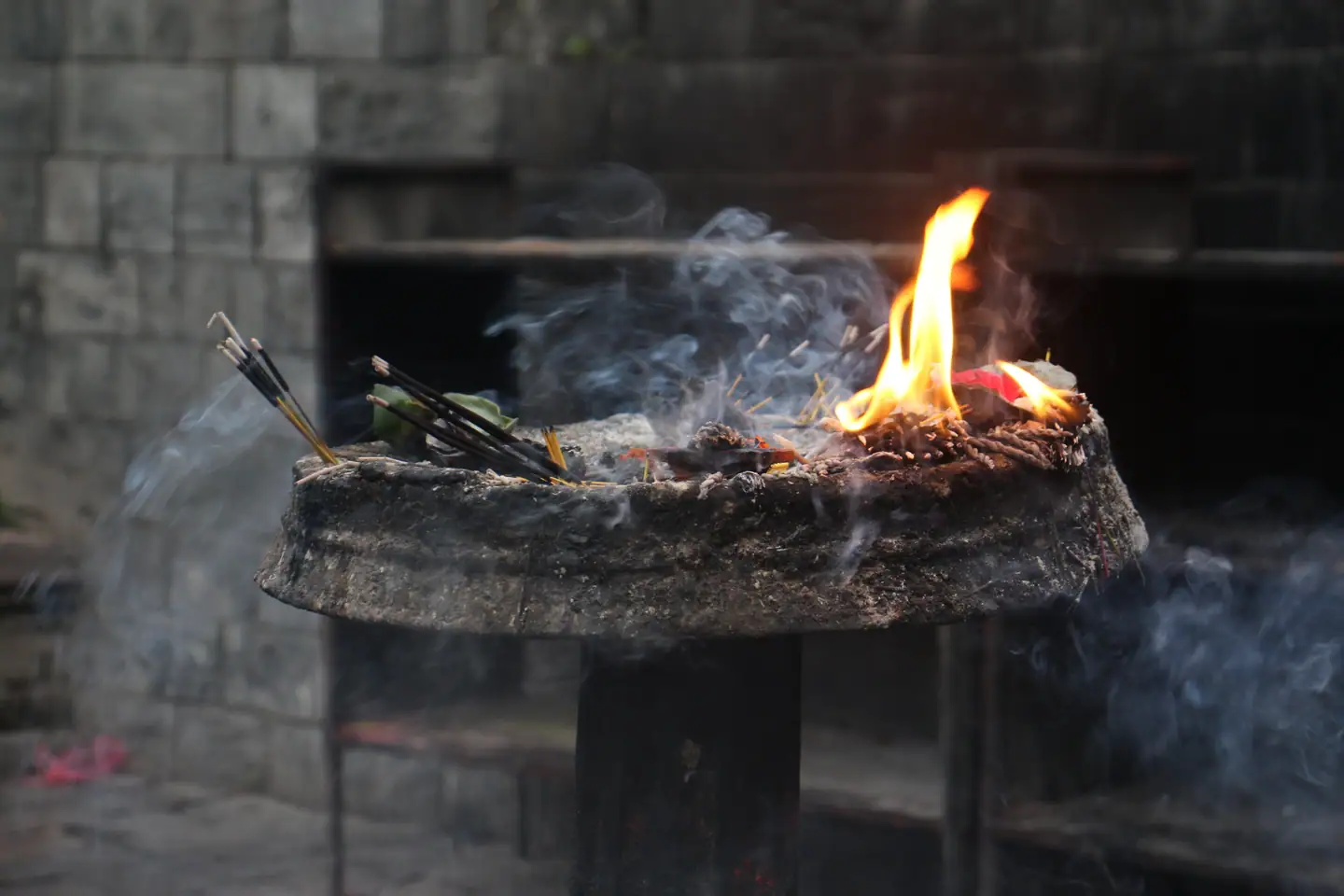
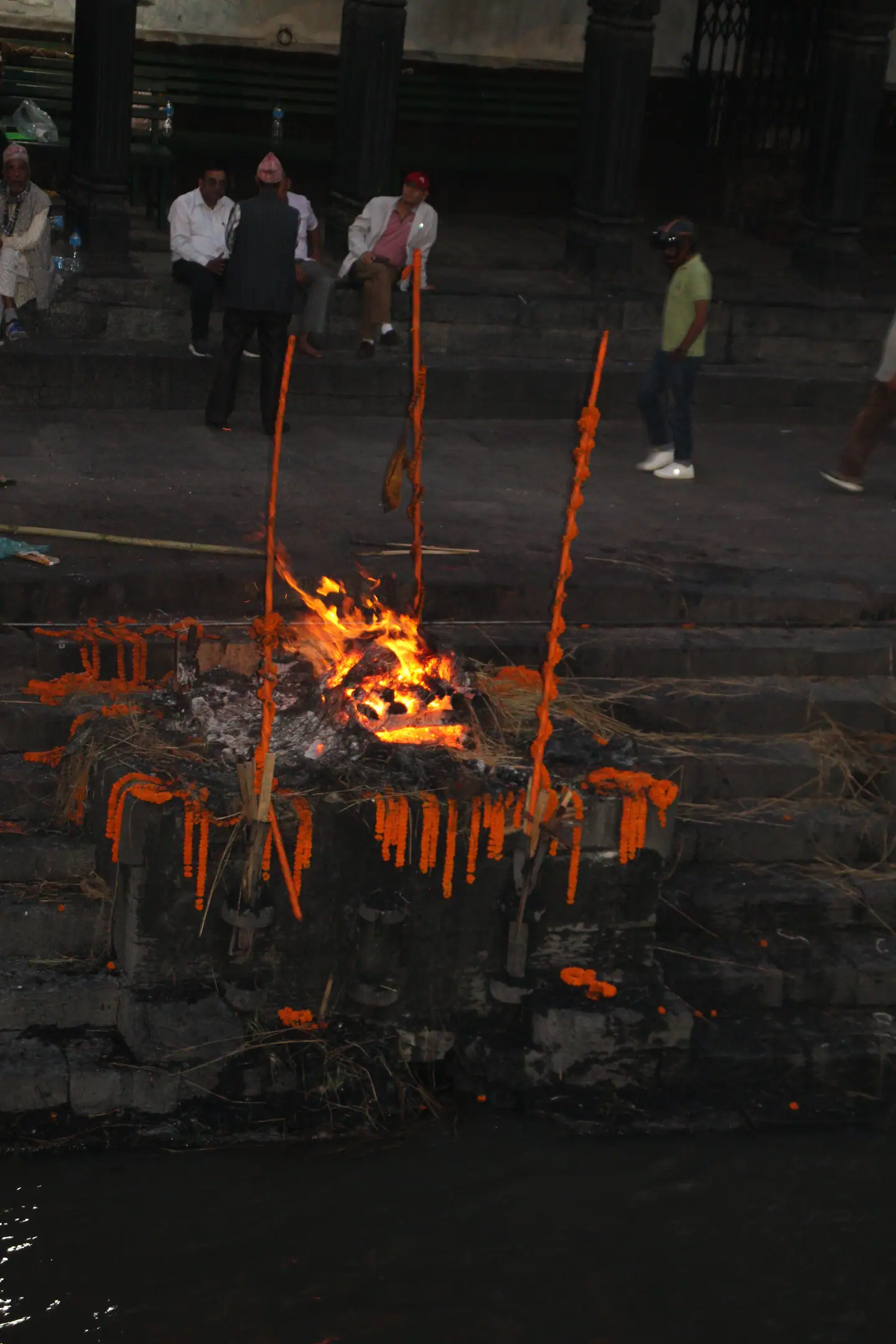
Incense sticks and a small fire of offerings burning on a stone incense stand at Pashupatinath, smoke curling in front of the temple wall

Journey Highlights

  • Pashupatinath, first and last
  • Chandragiri cable car, about 9 minutes
  • Zipline or sky cycling at about 2,500 m
  • Doleshwor, the head of Kedarnath
  • Gokarneshwar on the Bagmati
  • Pashupatinath pujas on request

Detailed Itinerary

5 DaysSix shrines of Lord Shiva

The 5 days at a glance
DayRouteOvernightTravel
Day 01Arrival in Kathmandu and first darshanKathmanduAirport pickup
Day 02Chandragiri and Bhaleshwor MahadevKathmanduBy road and cable car to Chandragiri, about 2,500 m
Day 03Doleshwor Mahadev and the Kailashnath Mahadev statueKathmanduAbout 20 km east by road
Day 04Gokarneshwar Mahadev and Santaneshwar MahadevKathmanduBy road, about 8 km north-east, then Lalitpur
Day 05Pashupatinath darshan and departureDeparturePrivate airport transfer
  1. Day 01Arrival in Kathmandu and first darshan

    You are met at Tribhuvan International Airport and taken to your three-star hotel. If your arrival time allows, you visit Pashupatinath Temple for darshan and an introduction to Lord Shiva as Pashupati, protector of living beings; the evening aarti runs from 6:00 to 7:30 pm. Dinner and overnight in Kathmandu.

  2. Day 02Chandragiri and Bhaleshwor Mahadev

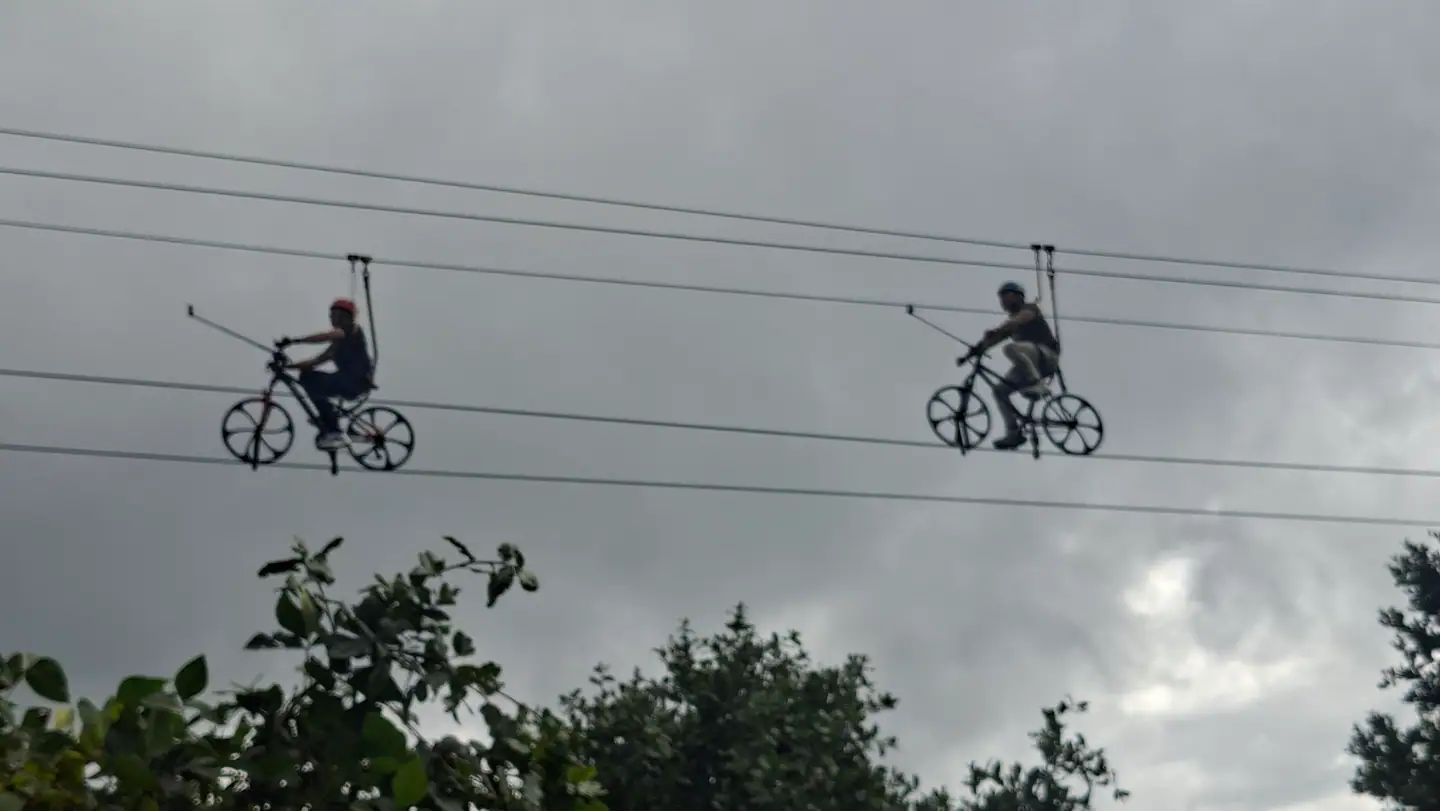
    Drive to the foot of Chandragiri and ride the cable car, about 2.4 km in about 9 minutes, to the hilltop at about 2,500 metres for prayer and reflection at Bhaleshwor Mahadev Temple. Then one included activity, a zipline or sky cycling, subject to availability, weather, safety rules and eligibility. Lunch, dinner and overnight in Kathmandu.

  3. Day 03Doleshwor Mahadev and the Kailashnath Mahadev statue

    About 20 km east to Doleshwor Mahadev Temple at Sipadol in Bhaktapur, revered as the head of Kedarnath, then on to Sanga to see the Kailashnath Mahadev statue, about 143 feet tall. Time for darshan, reflection and learning about Shiva’s symbolism. Lunch, dinner and overnight in Kathmandu.

  4. Day 04Gokarneshwar Mahadev and Santaneshwar Mahadev

    About 8 km north-east to Gokarneshwar Mahadev Temple on the Bagmati, the shrine of rites for ancestors, then south to Santaneshwar Mahadev Temple at Jharuwarasi in Lalitpur, up a steep path, for prayer and reflection. Back in Kathmandu, free time and a farewell dinner. Overnight in Kathmandu.

  5. Day 05Pashupatinath darshan and departure

    Breakfast at the hotel. If your flight time allows, a final darshan at Pashupatinath or a puja arranged in advance, then a private transfer to the airport. For early departures the final temple visit can move to Day 01.

What's Included

  • Airport pickup and drop-off in Kathmandu
  • Three-star hotel in Kathmandu for 4 nights, twin or double sharing
  • Daily breakfast, lunch and dinner, subject to arrival and departure times, with vegetarian meals on request
  • Farewell dinner
  • Private transport for every scheduled visit and transfer
  • Experienced English-speaking guide, with a Hindi-speaking guide on request
  • Chandragiri cable car
  • One activity at Chandragiri, a zipline or sky cycling, subject to availability and eligibility
  • Temple entry fees and permits where they apply
  • Basic samagri for personal offerings, such as flowers, incense and red vermilion, where appropriate
  • Help arranging optional pujas requested in advance

What's Not Included

  • International flights
  • Nepal visa fees
  • Hotel upgrades, quoted on request
  • Personal expenses, shopping and souvenirs
  • Tips for the guide and driver
  • Pujas, special priest fees and elaborate ritual arrangements
  • Extra samagri for special ceremonies
  • Chandragiri activities beyond the one included
  • Travel insurance and personal medical expenses
  • Services or meals not listed as included

Before you book

Questions Travellers Ask

Which Shiva temples are in the Kathmandu Mahadev Darshan?

The Kathmandu Mahadev Darshan visits Pashupatinath, Bhaleshwor Mahadev at Chandragiri, Doleshwor Mahadev in Bhaktapur, the Kailashnath Mahadev statue at Sanga, Gokarneshwar Mahadev and Santaneshwar Mahadev in Lalitpur, over 5 days.

How much does the Kathmandu Mahadev Darshan cost?

The Kathmandu Mahadev Darshan costs USD 1,650 per person for 2 to 11 pilgrims, USD 1,595 for 12 to 20 and USD 1,430 for 21 or more. It runs for groups of two or more.

Can non-Hindus enter Pashupatinath?

As of October 2026 only Hindus may enter the main sanctum of Pashupatinath, but everyone may visit the wider temple complex. Foreign visitors other than Indians pay NPR 1,000 a day to enter.

How much does a puja at Pashupatinath cost?

As of October 2026 the Pashupati Area Development Trust charges NPR 2,100 (about USD 14) for a Panchamrit Puja and NPR 7,500 (about USD 49) for Panchamrit with Rudrabhishek and Balbhog. The eleven-day Atirudri costs NPR 2,500,000. Pujas are paid separately from the tour.

Why is Doleshwor Mahadev called the head of Kedarnath?

In the story of the Pandavas, Shiva fled them in the form of a bull. The body is worshipped at Kedarnath in India and the head is held to be at Doleshwor in Bhaktapur, which the head priest of Kedarnath declared its head in 2009.

How tall is the Kailashnath Mahadev statue?

The Kailashnath Mahadev statue at Sanga is about 143 feet (43.5 m) tall, a standing figure of Shiva and the tallest statue of Shiva in Nepal. The Kathmandu Mahadev Darshan visits it on Day 03.

How long is the Chandragiri cable car, and is it included?

The Chandragiri cable car runs about 2.4 km to the hilltop in about 9 minutes. The ride and one activity at the top, a zipline or sky cycling, are included in the Kathmandu Mahadev Darshan.

When is the best time for the Kathmandu Mahadev Darshan?

It runs all year on the dates you choose. Mondays, the Mondays of Shrawan in July and August, and Maha Shivaratri, expected on 6 March in 2027, are the most auspicious and the most crowded days at Pashupatinath.

Is the Kathmandu Mahadev Darshan suitable for elderly pilgrims?

Mostly, yes. Every night is in the same Kathmandu hotel, the drives are short and a cable car climbs Chandragiri. Santaneshwar Mahadev is reached by a steep path, which some pilgrims may prefer to skip.

Do Indians need a visa for the Kathmandu Mahadev Darshan?

No. Indian citizens need no visa for Nepal. As of October 2026 other SAARC citizens except Afghans get up to 30 days free once a visa year, and everyone else pays USD 30 for 15 days, USD 50 for 30 days or USD 125 for 90 days.

What is included in the price?

Four nights in a three-star Kathmandu hotel, breakfast, lunch and dinner, a farewell dinner, a private vehicle and guide, the Chandragiri cable car and one activity, temple entry fees and basic samagri. Pujas, flights, the visa and insurance are not included.

Traveller Reflections

The first reflections are still being written.

We publish what travellers tell us in their own words, once they have travelled. Nothing here is borrowed or invented.

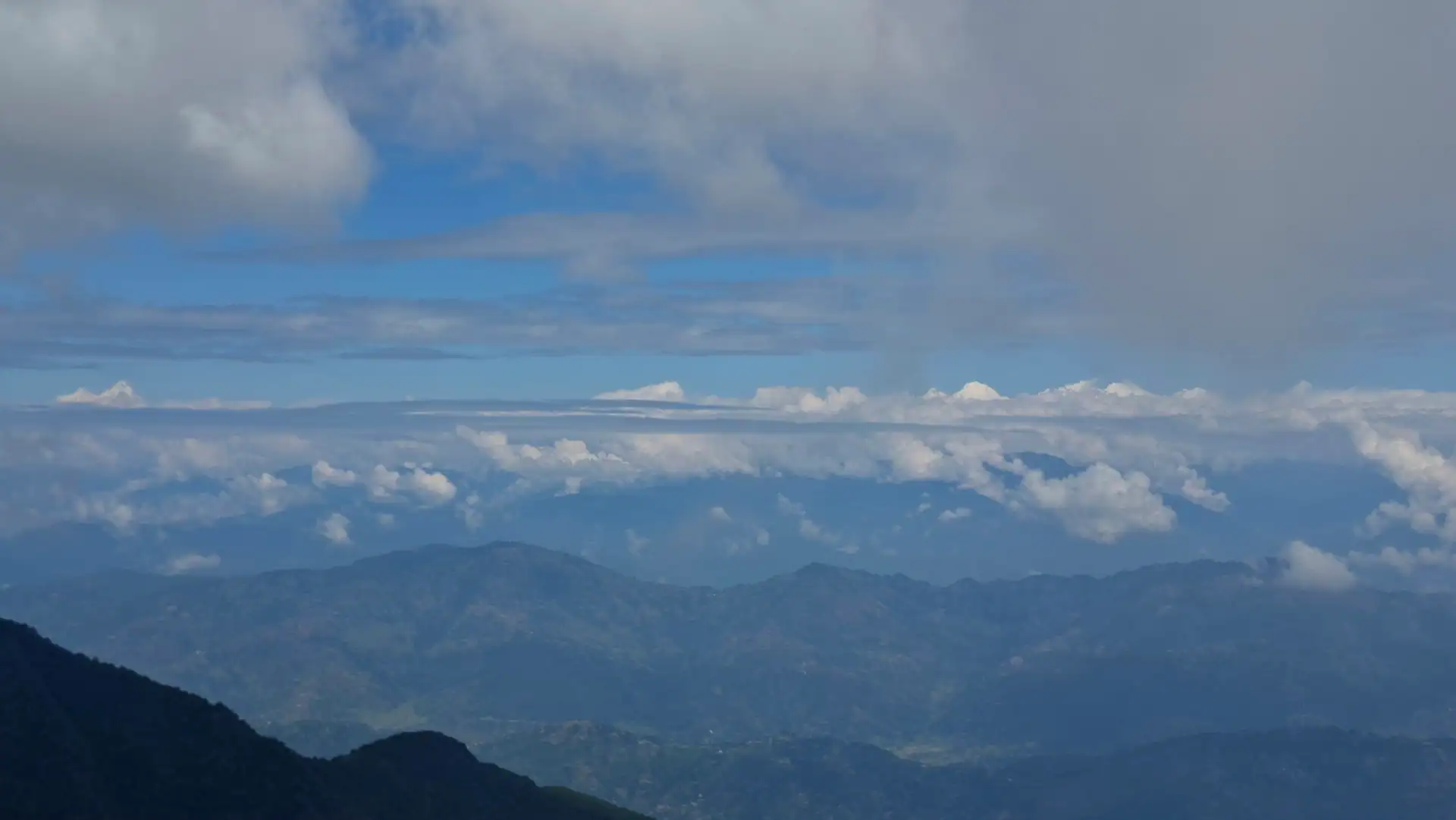
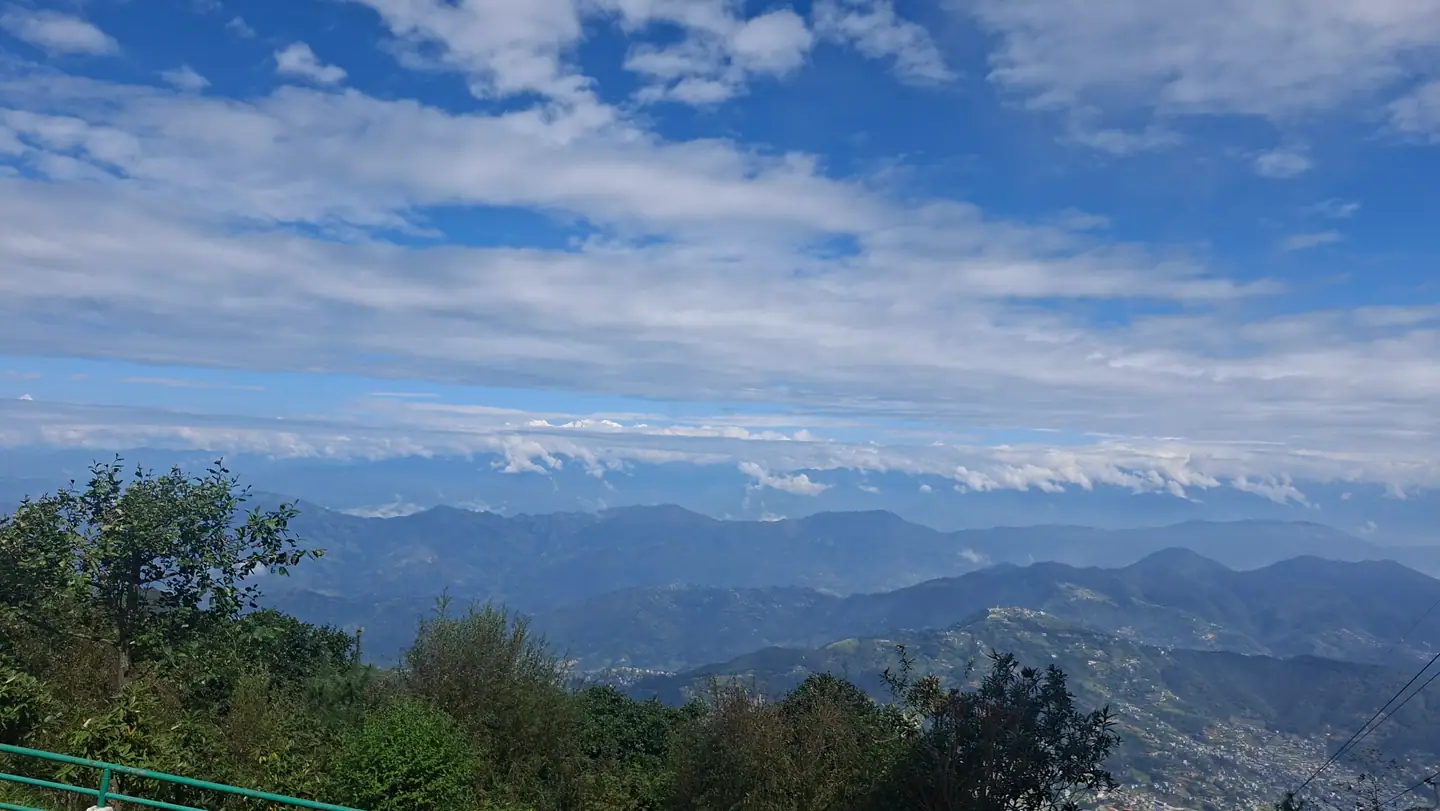
Forested ridges falling away below Chandragiri towards the valley, a line of cloud along the horizon under a blue sky

Six Shiva Shrines, from Pashupatinath to Chandragiri, in 5 Days.Plan your Kathmandu Mahadev Darshan.

Start your journey