Before You Book
Who the Trek Suits, and What to Know
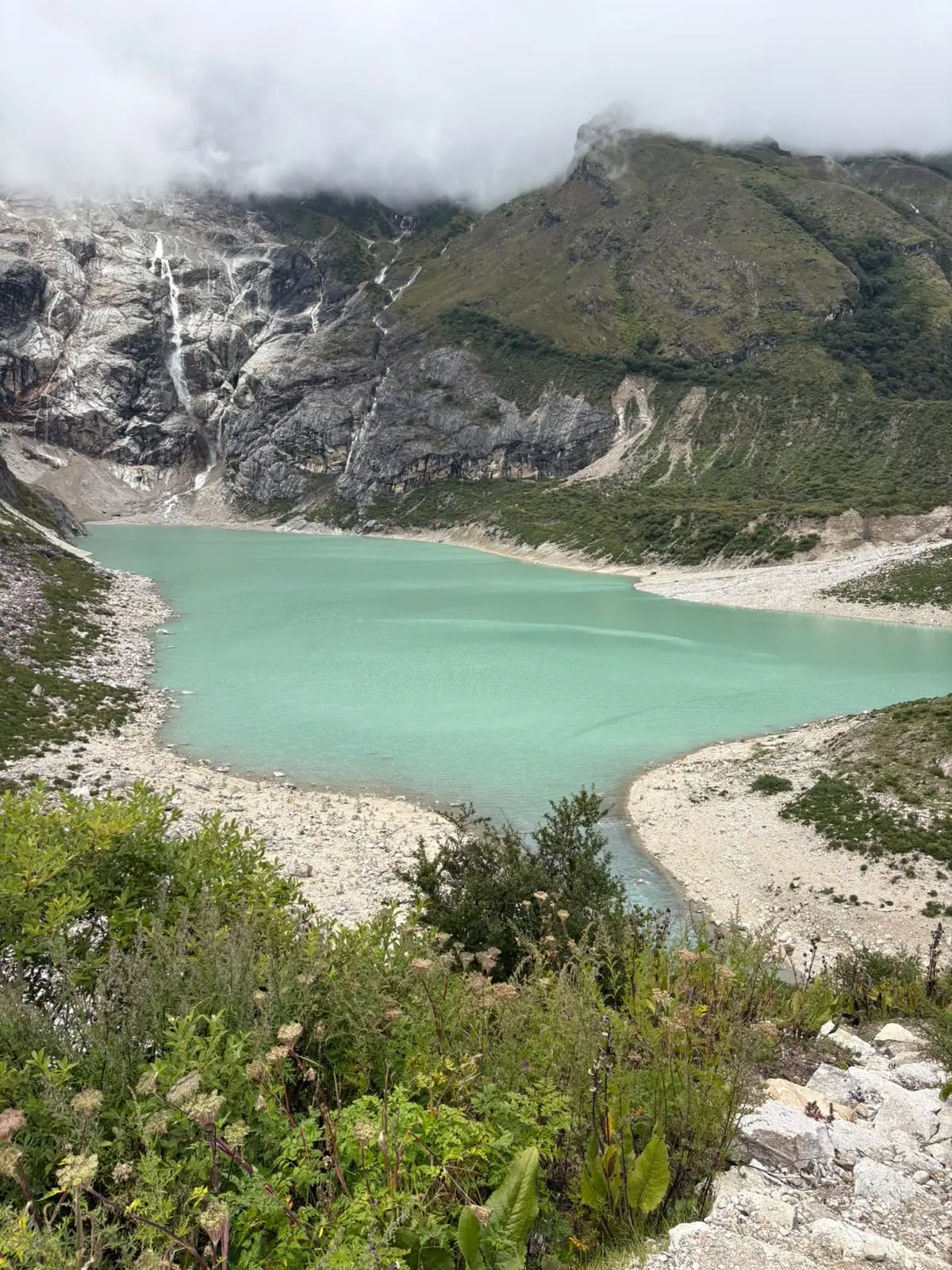
The Manaslu Circuit and Serang Gompa Trek is a moderate to demanding high-altitude trek for fit walkers who want time inside a working monastery as well as a high pass. Expect long days on foot, steep climbs and descents and changing weather. The day over the Larkya La takes about 8 to 11 hours. There is no strict age limit: Sama Yatra assesses younger and older travellers individually, and anyone with a medical concern should get medical clearance before departure.
Acclimatisation is built into the route. The climb to Serang Gompa at about 3,050 metres is followed by three nights there before you descend to Ghap. On the circuit, the short day from Lho to Shyala and a full rest day at Samagaun (3,530 m) come before Samdo and Dharamsala (4,460 m), the last night below the pass. US CDC guidance warns that altitude illness can begin above about 2,450 metres, and advises raising your sleeping altitude by no more than about 500 metres a night above 3,000 metres. Tell the guide about headache, nausea or unusual tiredness, and go down if symptoms get worse. There is no spare day: if weather or the trail stops a safe crossing of the Larkya La, the itinerary is adjusted, and the extra costs fall to the traveller unless insurance covers them.
Manaslu is a restricted area. As of October 2026, foreign trekkers need a Manaslu Restricted Area Permit from Nepal’s Department of Immigration, the Manaslu Conservation Area Permit and, for the exit through Dharapani, the Annapurna Conservation Area Permit. All are arranged through a registered agency and included in the price, with any TIMS card the current rules require. Since March 2026 a single trekker can get the restricted-area permit, but only through an agency and with a licensed guide. Sama Yatra needs a passport copy with the booking.
As of October 2026, Indian citizens need no visa for Nepal. Citizens of other SAARC countries receive up to 30 days free once in a visa year. Everyone else buys a tourist visa, which costs USD 30 for 15 days, USD 50 for 30 days or USD 125 for 90 days. Travel insurance is mandatory and must cover high-altitude trekking, medical treatment and helicopter rescue above 5,000 metres. In an emergency Sama Yatra coordinates communication, rescue and the helicopter company, and some helicopter companies ask for payment or a payment guarantee before the insurer reimburses you.
Spring, March to May, brings good weather, rhododendrons in flower and generally clear views, and autumn, September to November, generally stable weather and clear views. Winter, December to February, is possible but harder because of cold and snow, especially at the Larkya La. In the monsoon, June to August, rain, slippery trails and landslides disrupt both the roads and the trek. The trek runs as a private trip on the dates you choose, and outside the main seasons when weather, trail and permit conditions allow.
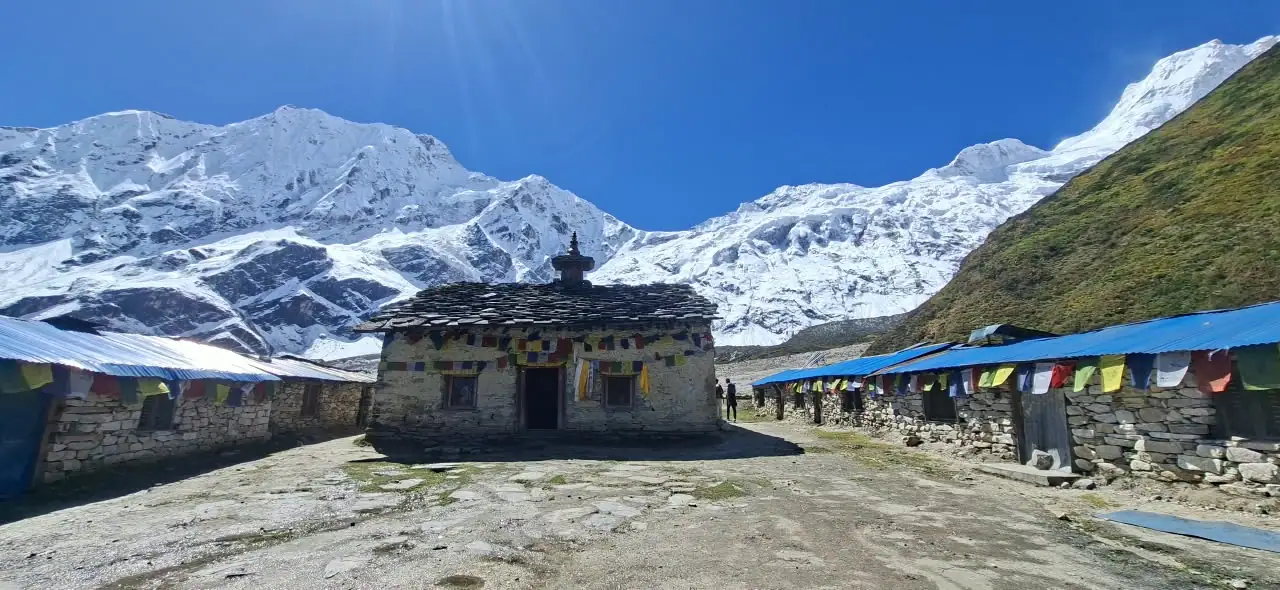
At Serang Gompa, meditation, prayers, watching the monastery’s daily life and conversations with monks depend on its schedule, its religious calendar and the willingness of the monks. Lodging is simple and monastery style, and food there is simple and vegetarian. Follow the monastery’s rules on photography, recording, dress and conduct: walk clockwise round chortens and mani walls, take off your hat and shoes in a shrine hall, and ask before photographing a lama. No donation is required, and any offering is voluntary and paid separately.
A 30% deposit and a passport copy confirm the booking, and the balance is paid in Kathmandu, normally in cash, before the trek starts. Bookings cannot be cancelled, but the journey can be postponed for up to two years at the same cost. A confirmed trek still runs if the group gets smaller, though the price may be adjusted. Child prices, a single room and a private jeep in place of the buses are quoted on request, and Indian travellers can discuss paying in rupees.