Sama Yatra
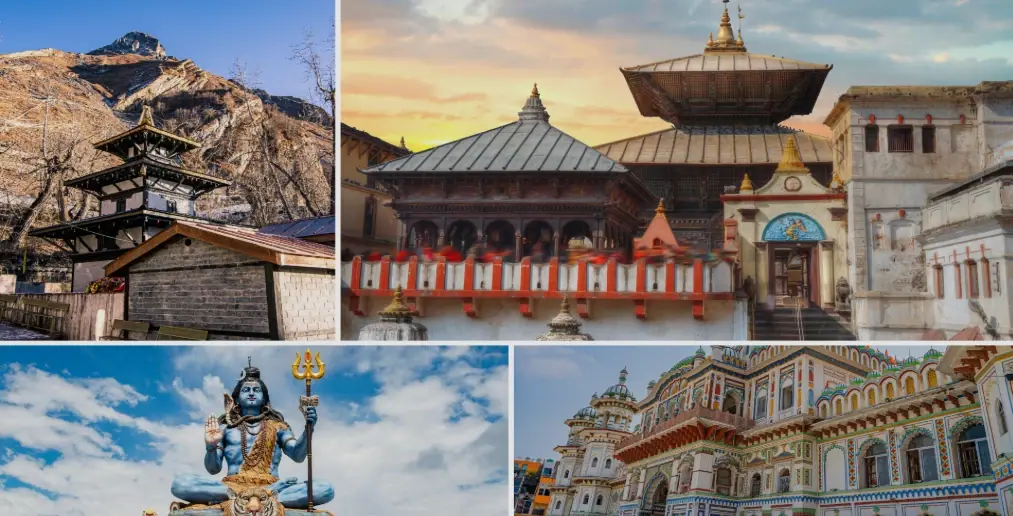
A collage of four places on the Nepal Shiva Yatra: Muktinath Temple below a rocky peak, the golden roofs of Pashupatinath at dusk, a seated statue of Shiva holding a trident against the sky, and the white and coloured domes of the Janaki Mandir in Janakpur

Nepal Shiva YatraFrom Pashupatinath to Muktinath, by Way of Halesi

The Nepal Shiva Yatra is a 12-day private pilgrimage by road across Nepal, from the evening arati at Pashupatinath to the cave of Halesi Mahadev in the east, Janakpur in the Terai, the Shiva shrines of Pokhara and the 108 spouts of Muktinath at 3,710 metres, and back to Pashupatinath. Meals are sattvic, mornings begin at Brahma Muhurta, and a private guide travels with you.

Journey at a Glance

Duration
12 Days11 nights
Max Altitude
3,710 mMuktinath; highest night 2,743 m
Difficulty
ModerateLong drives, no trekking
Best Season
Sep to Nov, Mar to Apr
Group Size
2 or morePrivate, with a guide
Start and End
KathmanduPrivate vehicle

Package Cost

USD1,100

per person

(Group of 12 or more)

2 to 5 travellers
$1,650
6 to 11 travellers
$1,320
12 and above
$1,100

Last updated

Overview

What is the Nepal Shiva Yatra?

The Nepal Shiva Yatra crosses Nepal by road to the places where Shiva is worshipped. It is run as a Hindu pilgrimage, with sattvic meals, early rising and priest arrangements at the temples. It suits devotees who want the great Shiva shrines of Nepal in one journey and can manage long days in a vehicle.

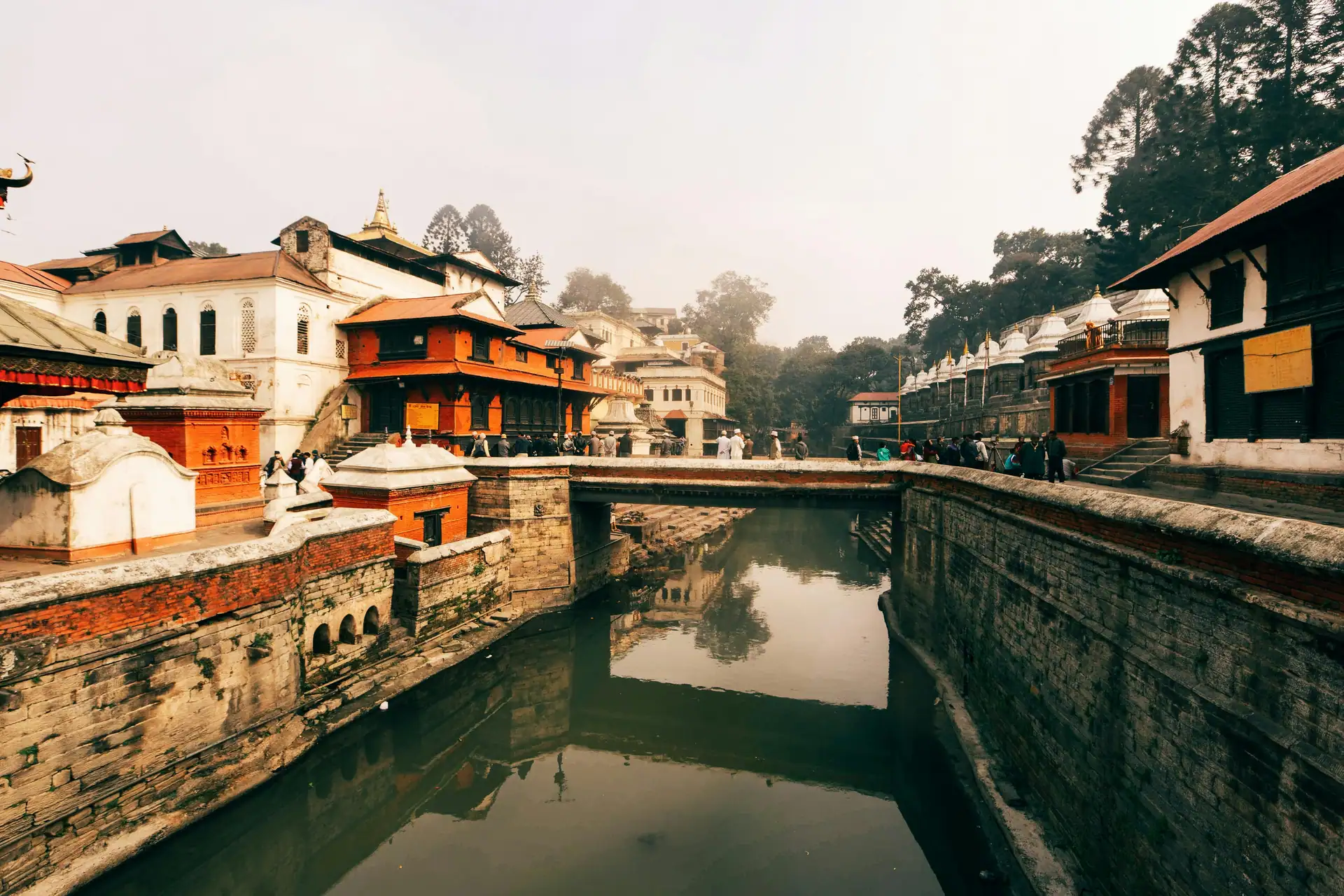
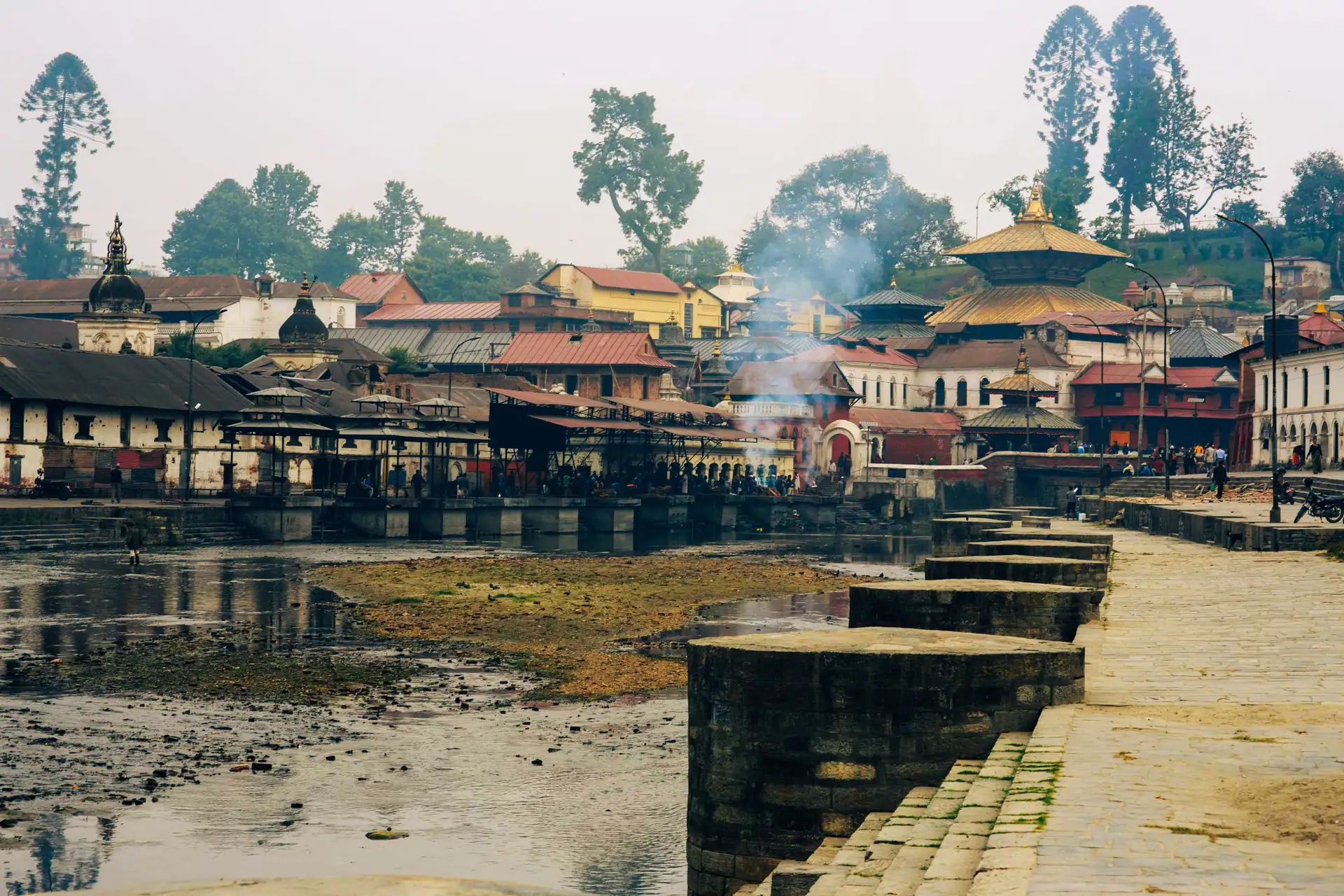
In the Kathmandu Valley it begins at Pashupatinath on the Bagmati, where only Hindus may enter the main sanctum. Gokarneshwor Mahadev, on the Bagmati about 8 km north-east of the city, is where pilgrims offer tarpan for their ancestors. Doleshwor Mahadev at Sipadol in Bhaktapur is revered as the head of Kedarnath. In the story of the Pandavas, Shiva fled them as a bull, and his head is held to be here. Nearby at Sanga stands the Kailashnath Mahadev statue, about 143 feet tall and the tallest statue of Shiva in Nepal.

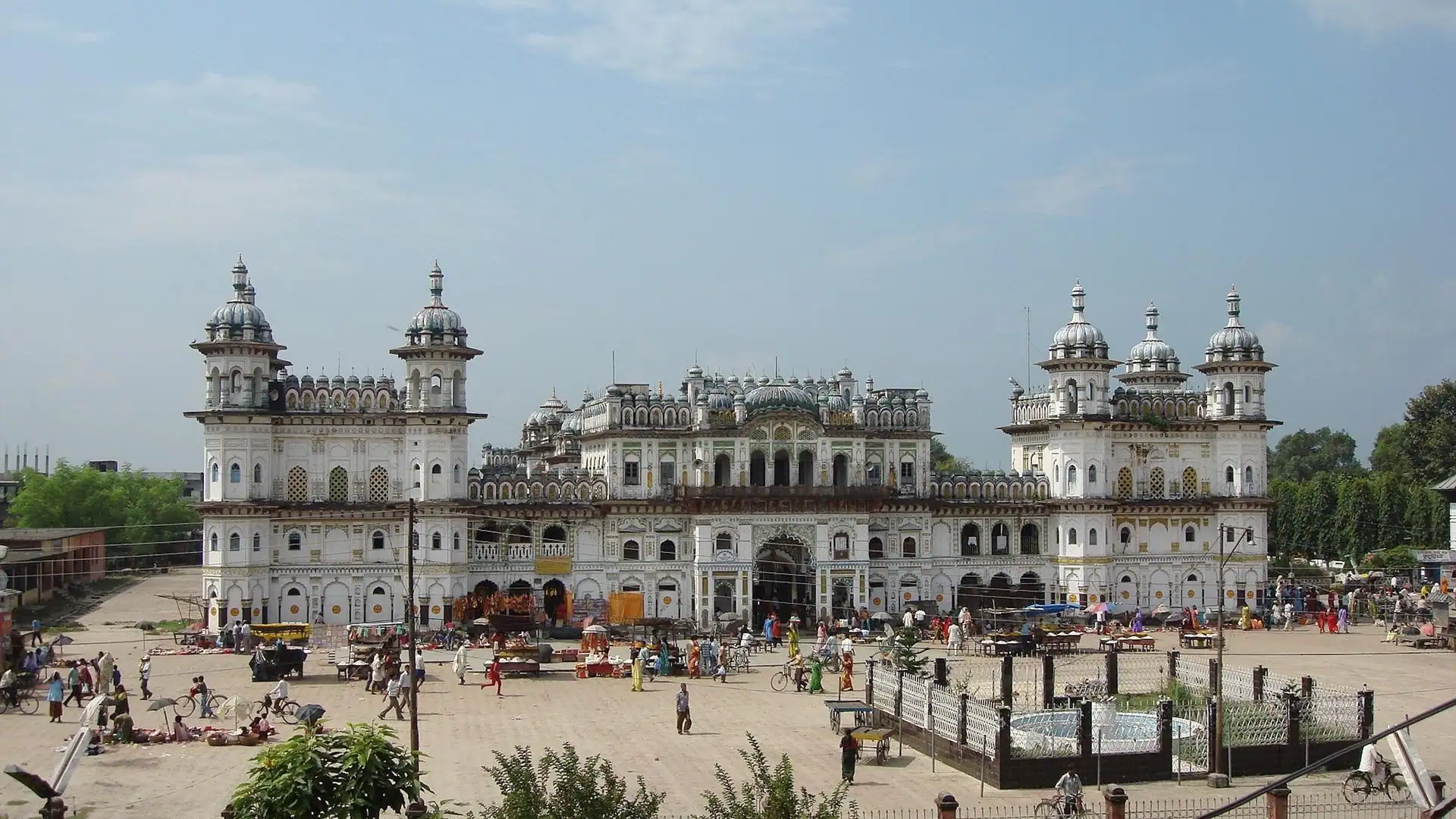
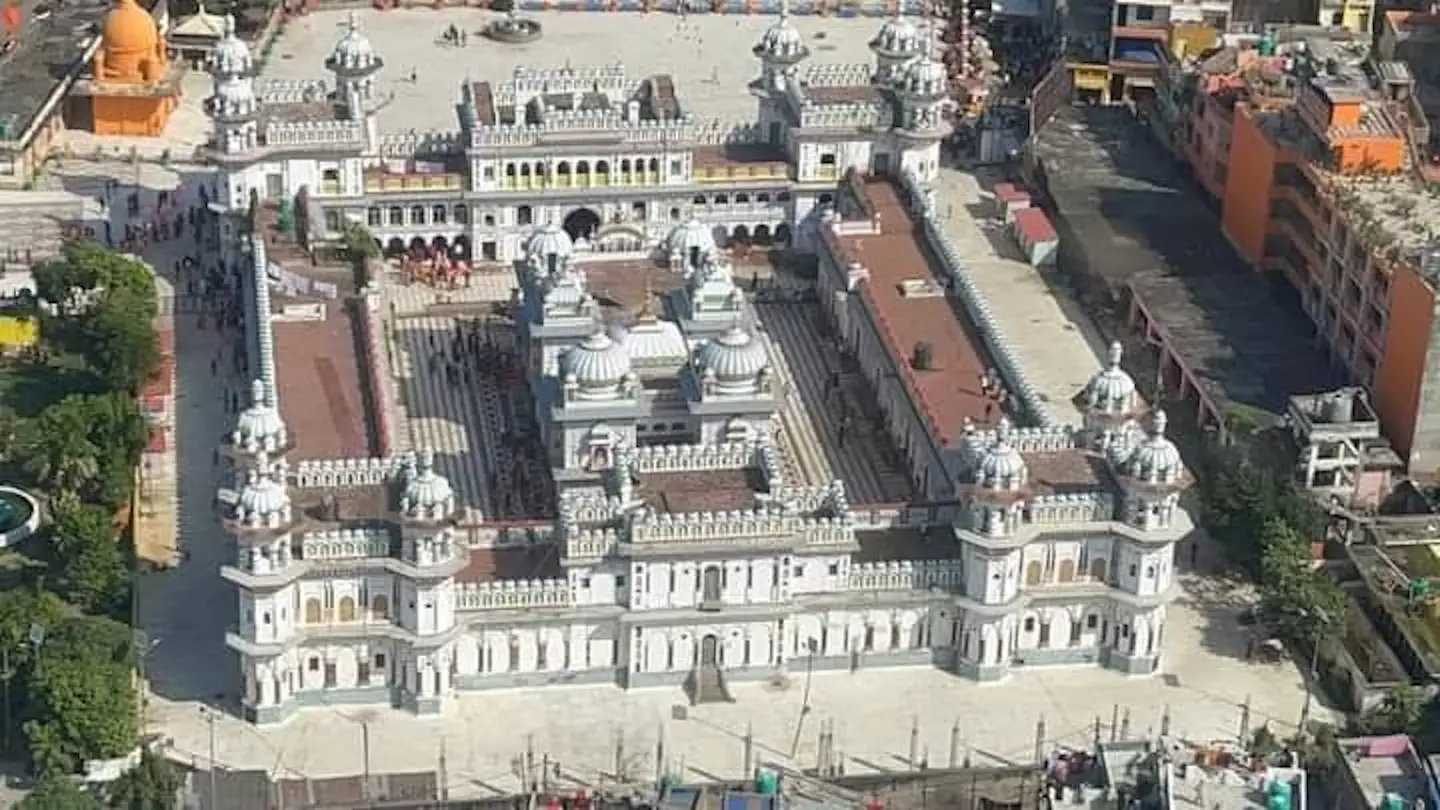
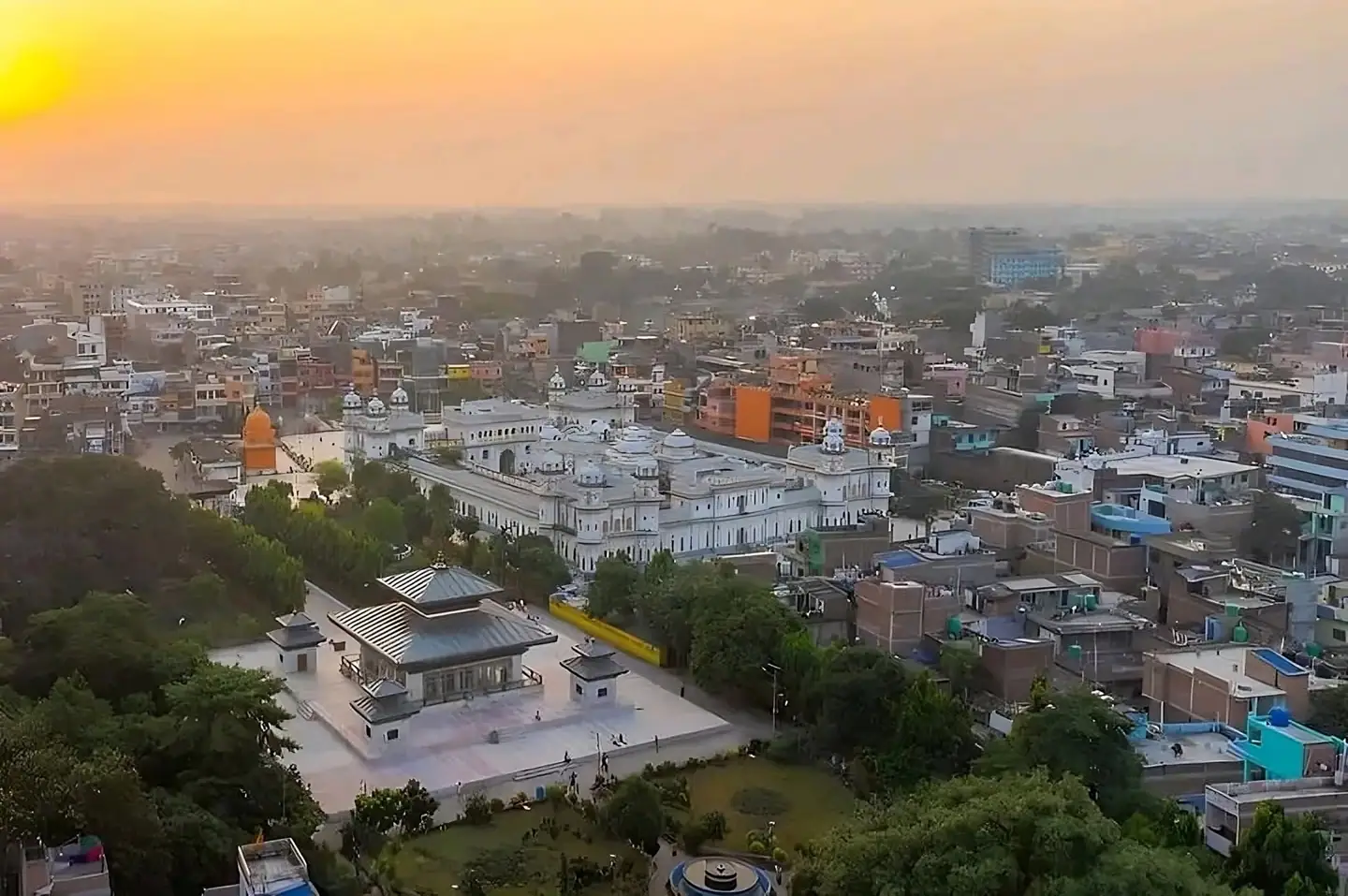
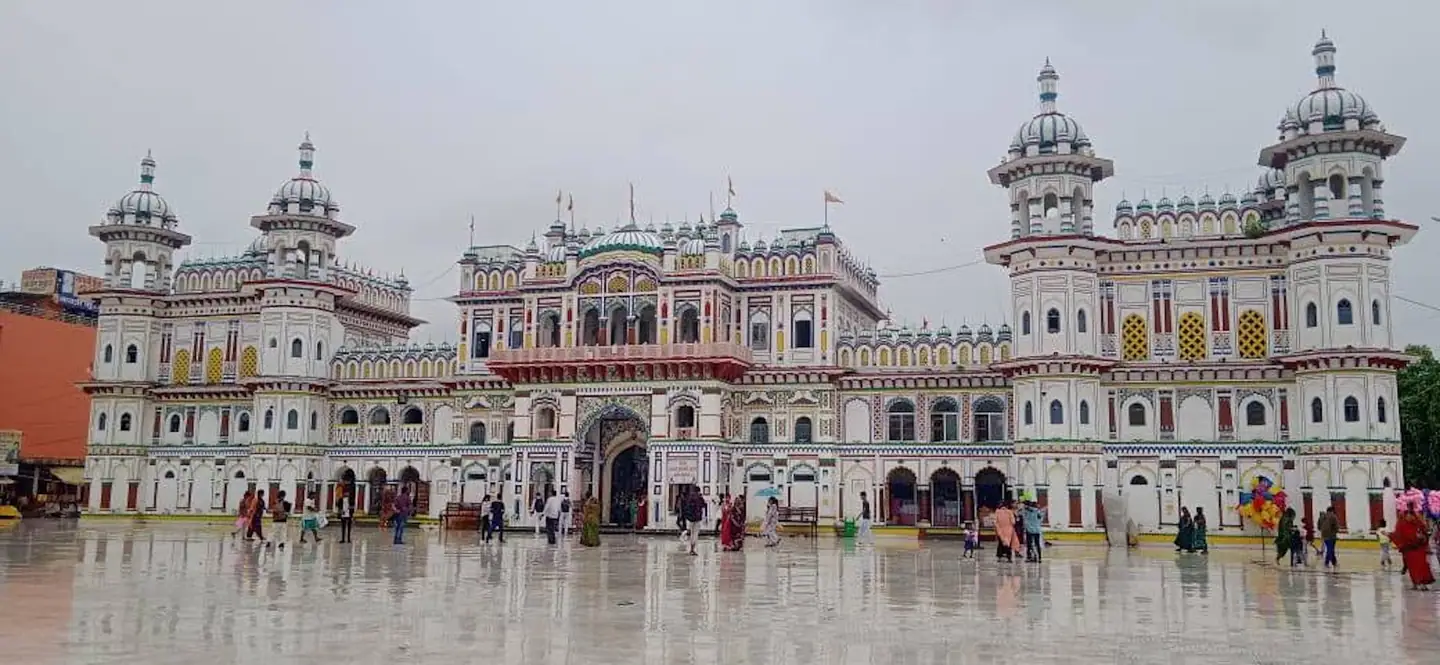
Halesi Mahadev, in Khotang in eastern Nepal, is a cave shrine where by Hindu tradition Shiva took refuge from the demon Bhasmasura. The Bhairav cave and the Cow cave lie beside it, and Buddhists know the same caves as Maratika. In the Terai, the Janaki Mandir in Janakpur is the temple of Sita. Jaleshwor Mahadev, about 13 to 15 km south at Jaleshwar on the border with India, keeps the Shiva linga that tradition says Sita worshipped.

Around Pokhara the yatra visits four shrines. The Gupteshwor Mahadev cave keeps a Shiva linga where the water from Devi’s Fall reappears. Kedareshwor Mahadev in Lakeside is a shrine to Kedarnath, Bindhyabasini Temple stands on its hilltop, and Tal Barahi sits on its island in Phewa Lake. On a hilltop at about 1,500 metres, the Shiva statue at Pumdikot is Nepal’s second-tallest: 51 feet tall, on a stupa that brings it to 108 feet.

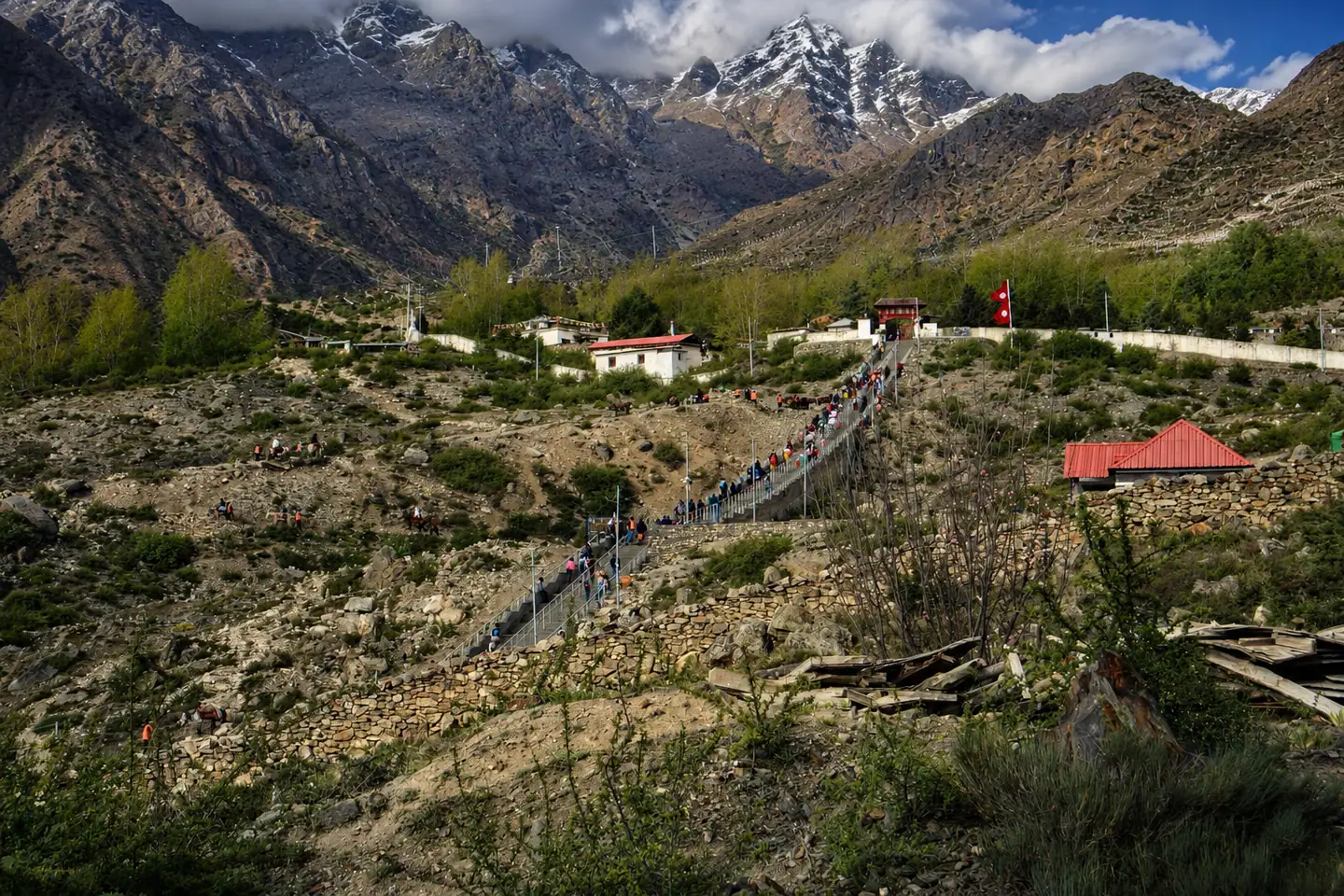
The route then climbs the Kali Gandaki, past the Tatopani hot springs, to Muktinath at 3,710 metres in Mustang. Hindus know it as Mukti Kshetra, the place of liberation. Pilgrims bathe under its 108 water spouts, dip in its two ponds and see the Jwala Mai flame, which burns beside water.

Sama Yatra also runs shorter journeys over parts of this route: the Kathmandu Mahadev Darshan in 5 days, the Halesi Mahadev Darshan in 5 days and the Muktinath Yatra by Road in 8 days. The Maha Shivaratri Festival Tour is 7 days, timed for the festival at Pashupatinath.

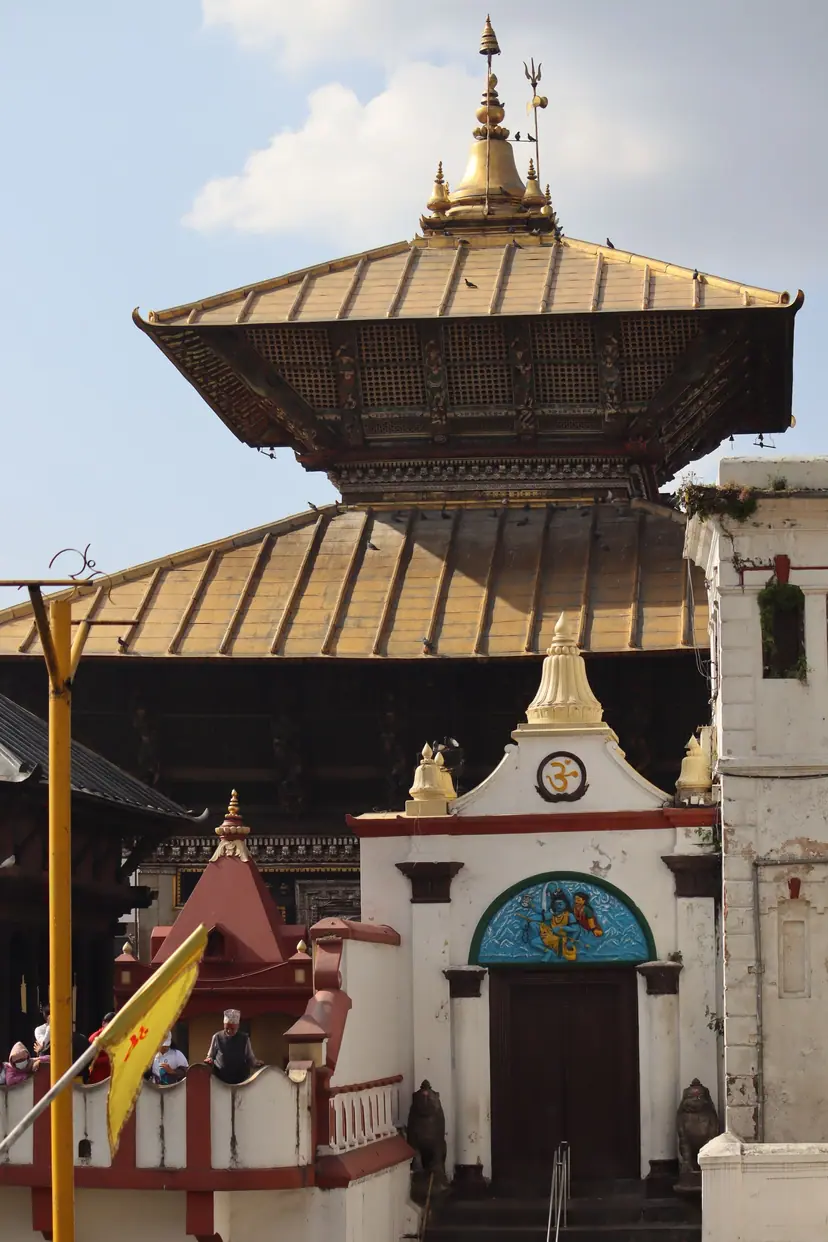
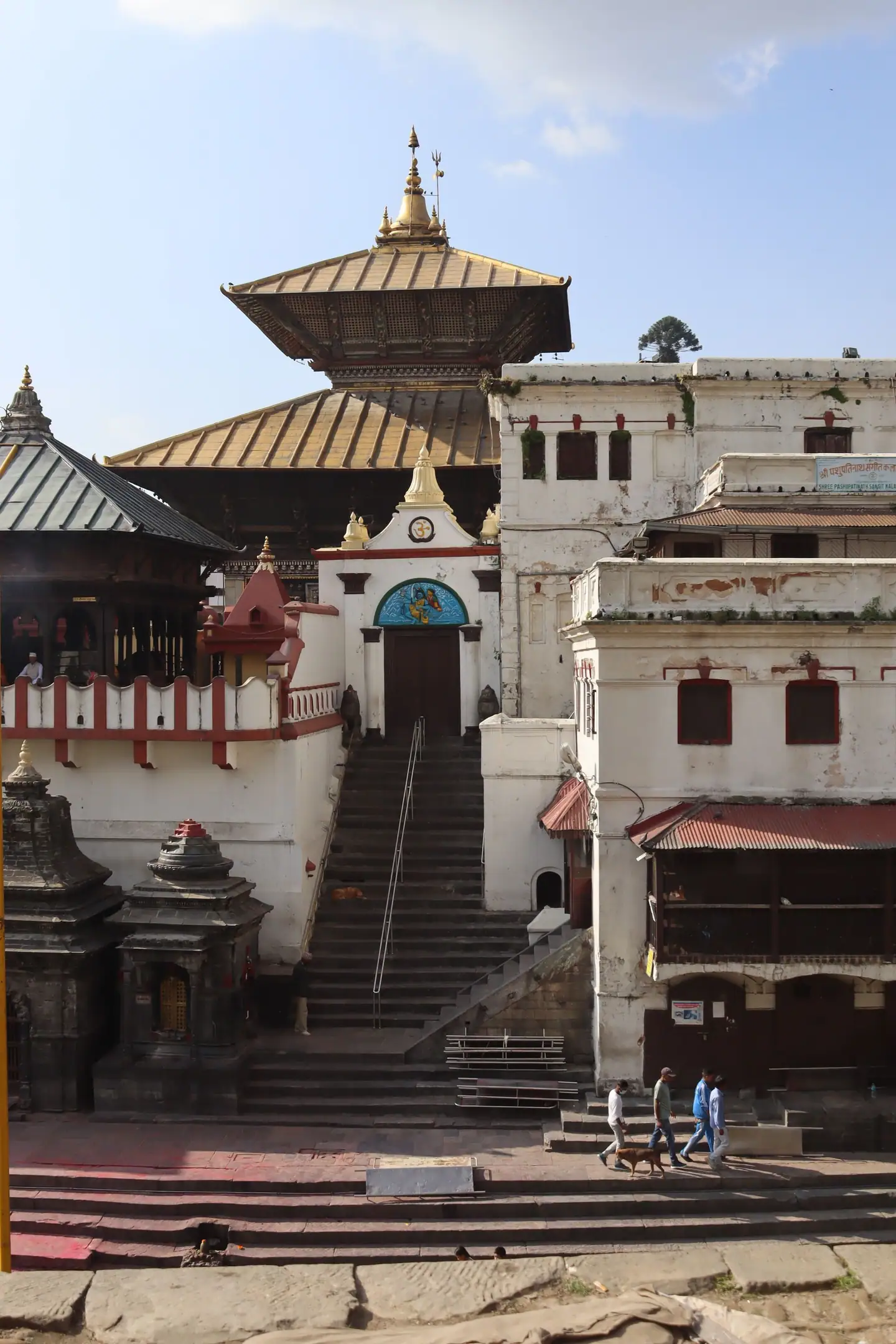
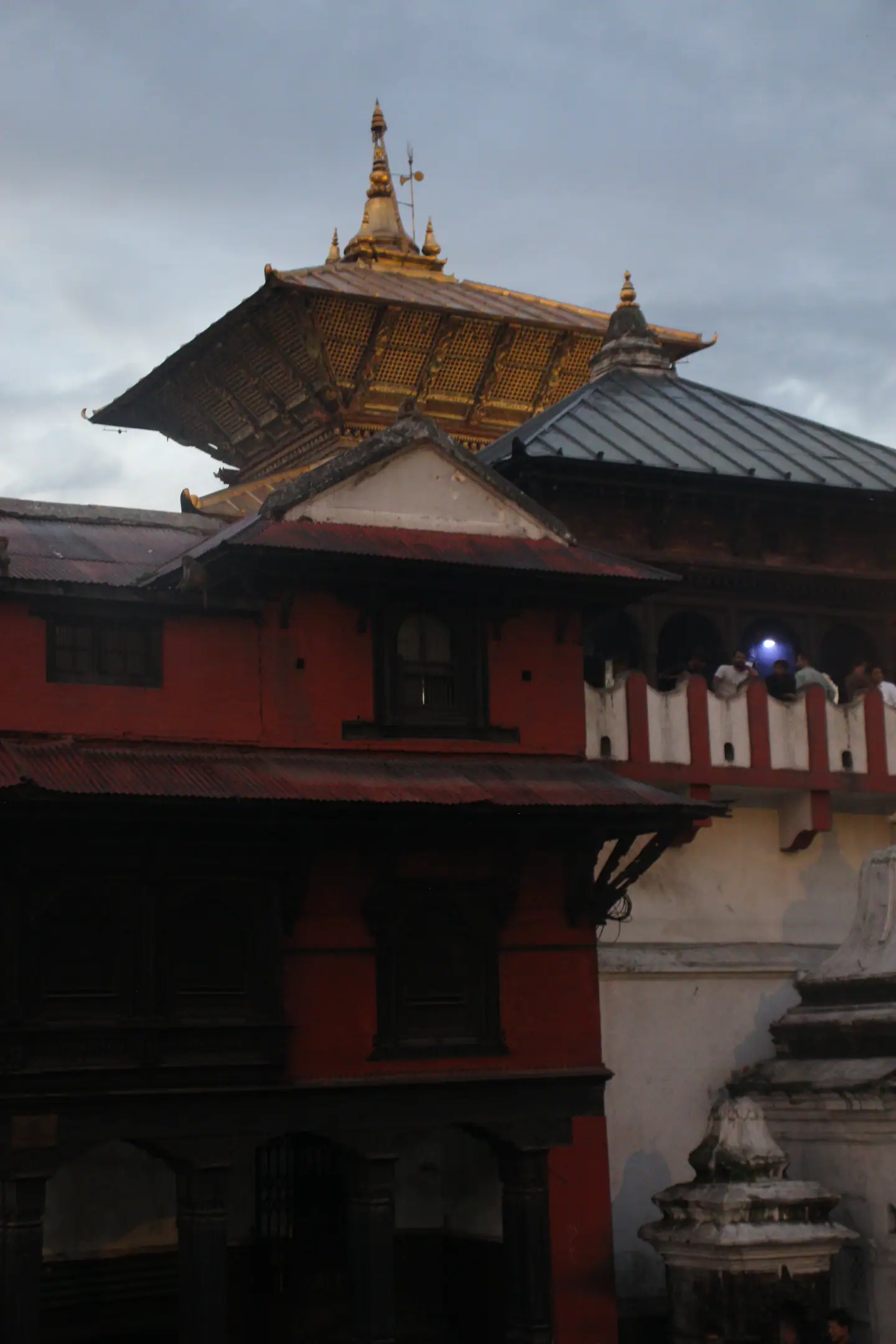
The gilded roof of the main Pashupatinath shrine at dusk, rising behind red-painted temple buildings where people stand along a balcony

“Pashupatinath at the start and the end, Muktinath at the top.”

Before You Book

How the Yatra Is Kept, and What to Know

The Nepal Shiva Yatra is run as a Hindu pilgrimage. Bhojan daan, a gift of food as an act of charity, is included in the tour cost, because daan is central to Hindu practice. Where it is given, and to whom, is confirmed before the journey: sadhus, pilgrims, an ashram or a temple kitchen. Meals are sattvic and pure vegetarian, three a day, with tea or coffee twice a day. Pilgrims wake at Brahma Muhurta, the hour before dawn, and keep abstinence for the length of the tour. The guidelines, and whether they are required, are explained before departure.

Sama Yatra, a spiritual travel agency in Thamel, Kathmandu, runs the Nepal Shiva Yatra as a fully private journey with a fully flexible itinerary. It includes one day of spiritual retreat in Kathmandu or Pokhara, with meditation, prayer and reflection, on a day set in the final itinerary. A private guide from the Sama Yatra team handles travel and local information and is named before departure. A Hindi-speaking guide can be requested, subject to availability. Temple entry permissions and priest arrangements are made for you.

This is a long road journey with no trekking. Most driving days take about six hours; Dhulikhel to Halesi and the last two take seven to eight hours each. The longest day is Janakpur to Pokhara, about ten hours. Flights from Pokhara to Jomsom, or from Kathmandu to Janakpur or Pokhara, can be arranged at extra cost, subject to availability and weather. Hotels are three-star or equivalent, with upgrades at extra cost.

Muktinath, at 3,710 metres, is the highest point, and the highest night is at Jomsom, about 2,743 metres. US CDC guidance says altitude illness can begin above about 2,450 metres. The yatra reaches Muktinath for a morning visit from Jomsom and comes down to Marpha the same day. Tell the guide about headache, nausea or breathlessness. Anyone with a heart or lung condition should see a doctor before booking.

As of October 2026, Muktinath requires an Annapurna Conservation Area Permit, checked at Ranipauwa below the temple. It costs NPR 3,000 for foreign nationals, NPR 1,000 for SAARC nationals, including Indians, and NPR 100 for Nepalis, and children under 10 go free. Entry to the temple itself is free. Whether the permit is included is confirmed with your quotation.

Indian citizens need no visa for Nepal. Under the Nepal Tourism Board’s visa rules, other SAARC citizens receive up to 30 days free once in a visa year. Everyone else pays USD 30 for 15 days, USD 50 for 30 days or USD 125 for 90 days.

The best months are September to November and March to April. From June to August the monsoon brings floods and landslides to the Kali Gandaki road below Muktinath. The road from Beni to Jomsom is rough in places in any season. In Janakpur the best months are mid-September to mid-December and mid-February to mid-April, before the Terai turns hot. Departures run on request, on the dates you choose, subject to weather, roads and access to the temples.

Travel insurance is mandatory, and a simple travel insurance policy is enough. A 30% deposit confirms the booking. Bookings cannot be cancelled, but the journey can be postponed for up to two years at the same cost. Any single-room supplement is given with your quotation. There is no separate child price, and Indian pilgrims can discuss paying in rupees.
Journey Highlights

  • Pashupatinath, first and last
  • Halesi Mahadev cave
  • Jaleshwor, Sita’s Shiva linga
  • Brahma Muhurta mornings
  • Bhojan daan and sattvic meals
  • Muktinath, 3,710 m

Detailed Itinerary

12 DaysKathmandu to Muktinath by road

The 12 days at a glance
DayRouteOvernightTravel
Day 01Arrival in Kathmandu and evening arati at PashupatinathKathmandu, about 1,400 mAirport pickup
Day 02Pashupatinath, Gokarneshwor, Sanga and Doleshwor, then DhulikhelDhulikhelPrivate vehicle
Day 03Dhulikhel to Halesi MahadevHalesi, about 1,330 to 1,440 mSeven or eight hours by road
Day 04Halesi to JanakpurJanakpurAbout 6 hours by road
Day 05Jaleshwor Mahadev, then PokharaPokhara, about 820 mAbout 10 hours by road
Day 06The Shiva temples of PokharaPokharaPrivate vehicle, boat to Tal Barahi
Day 07Pokhara to TatopaniTatopani, about 1,190 mAbout 6 hours by road
Day 08Tatopani to JomsomJomsom, about 2,743 mAbout 6 hours by road
Day 09Muktinath darshan, then MarphaMarphaAbout 2 hours up to Muktinath (3,710 m), then down to Marpha
Day 10Marpha to PokharaPokhara, about 820 m7 to 8 hours by road
Day 11Pokhara to KathmanduKathmandu, about 1,400 m7 to 8 hours by road
Day 12Final darshan at Pashupatinath and departureDepartureAirport transfer
  1. Day 01Arrival in Kathmandu and evening arati at Pashupatinath

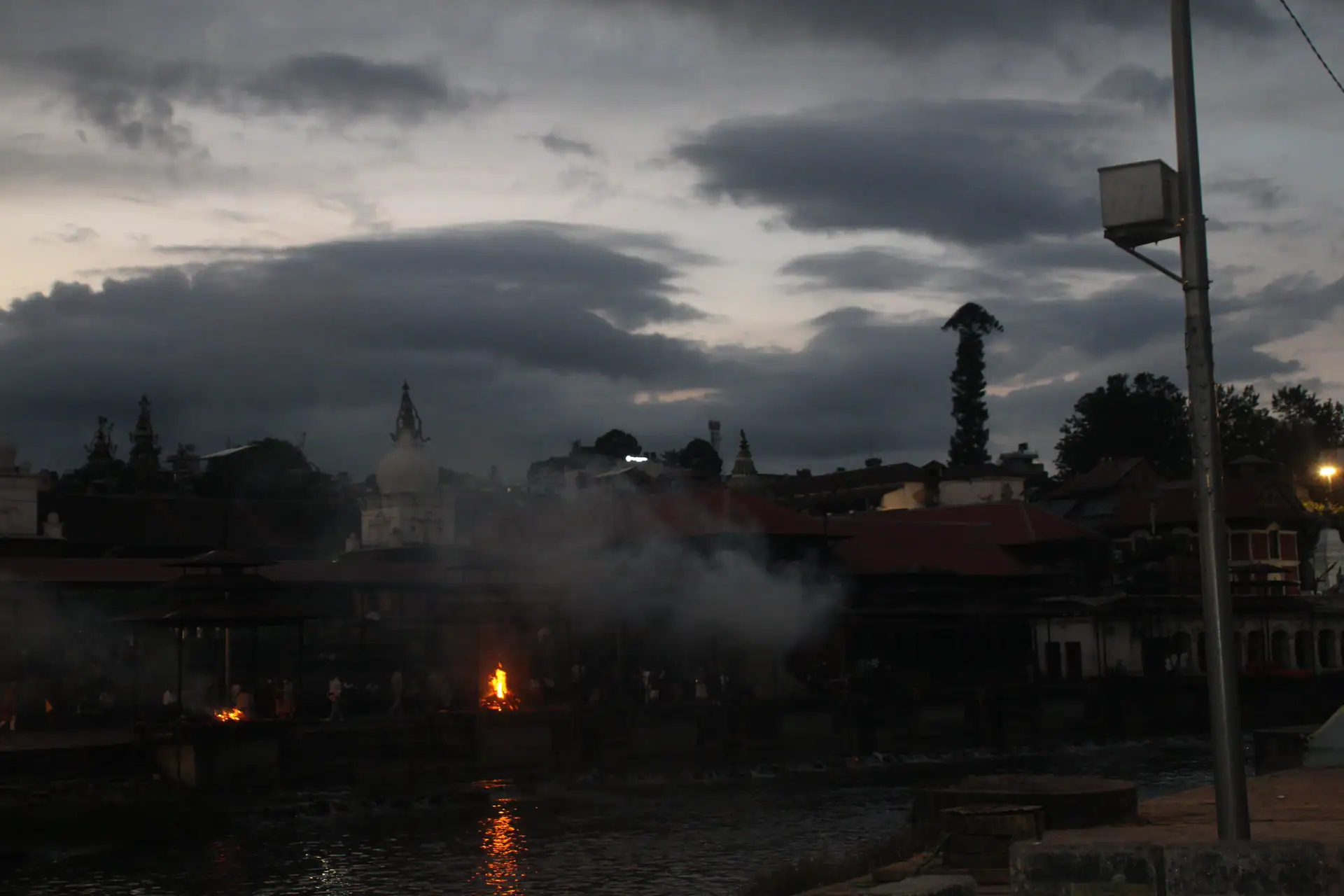
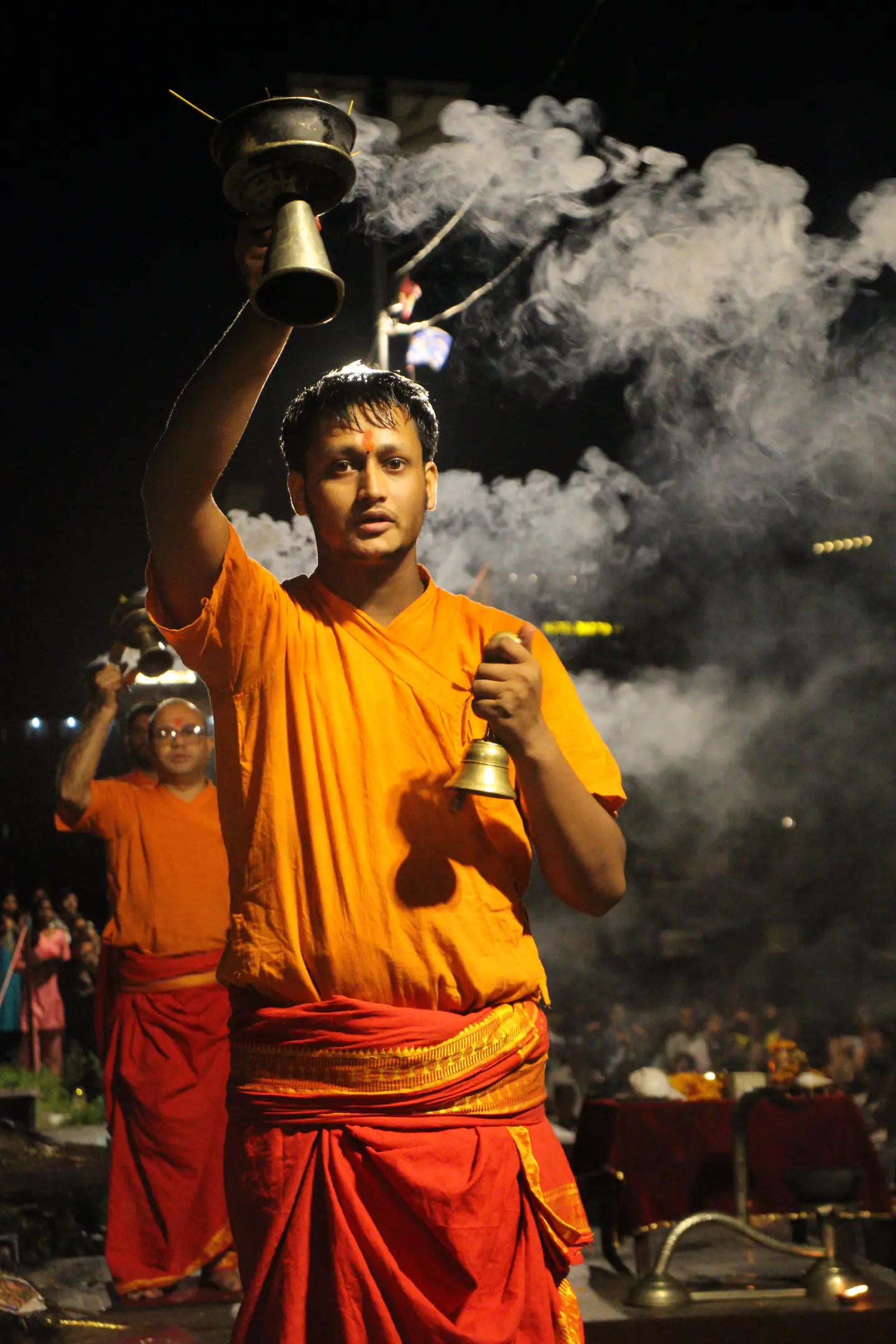
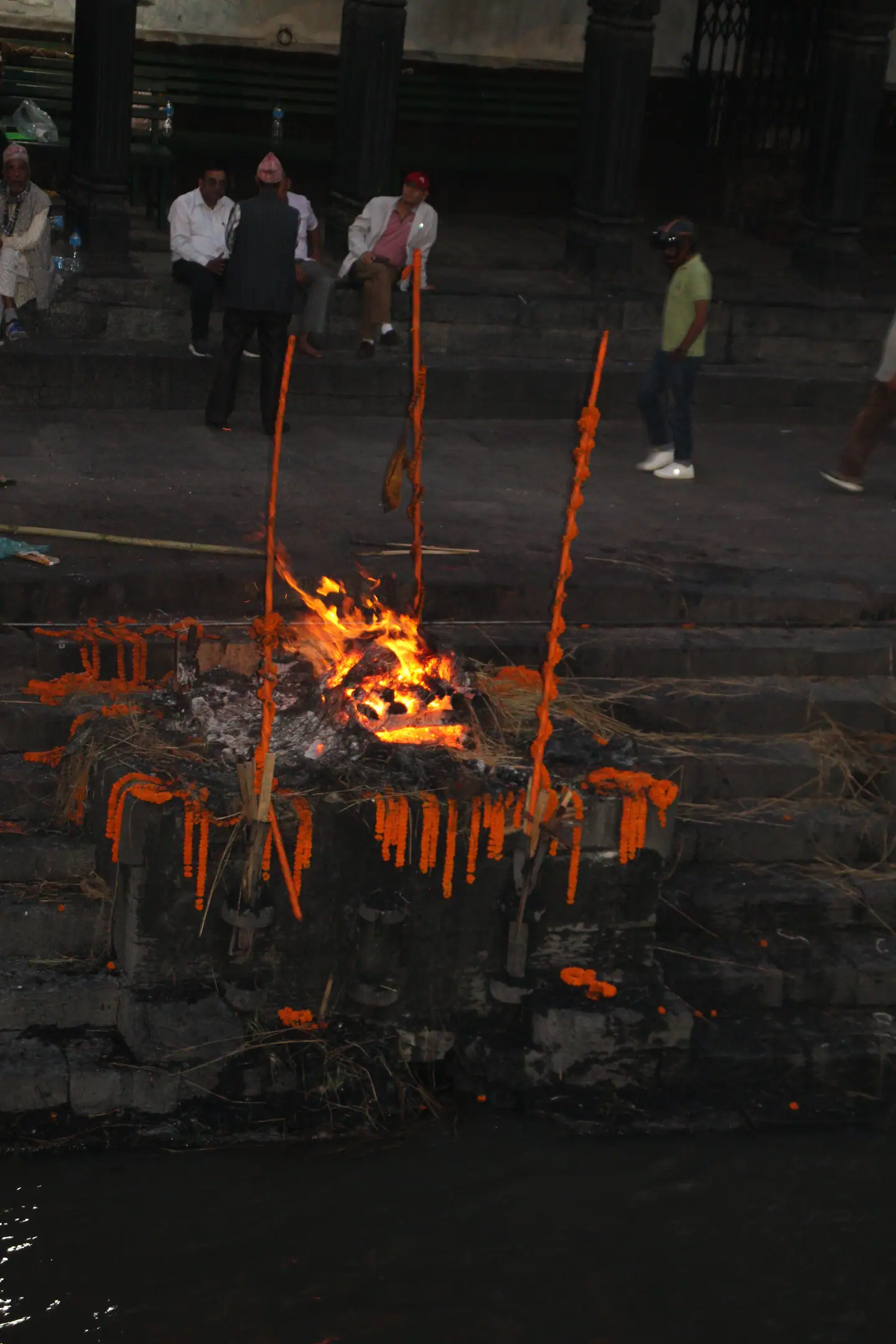
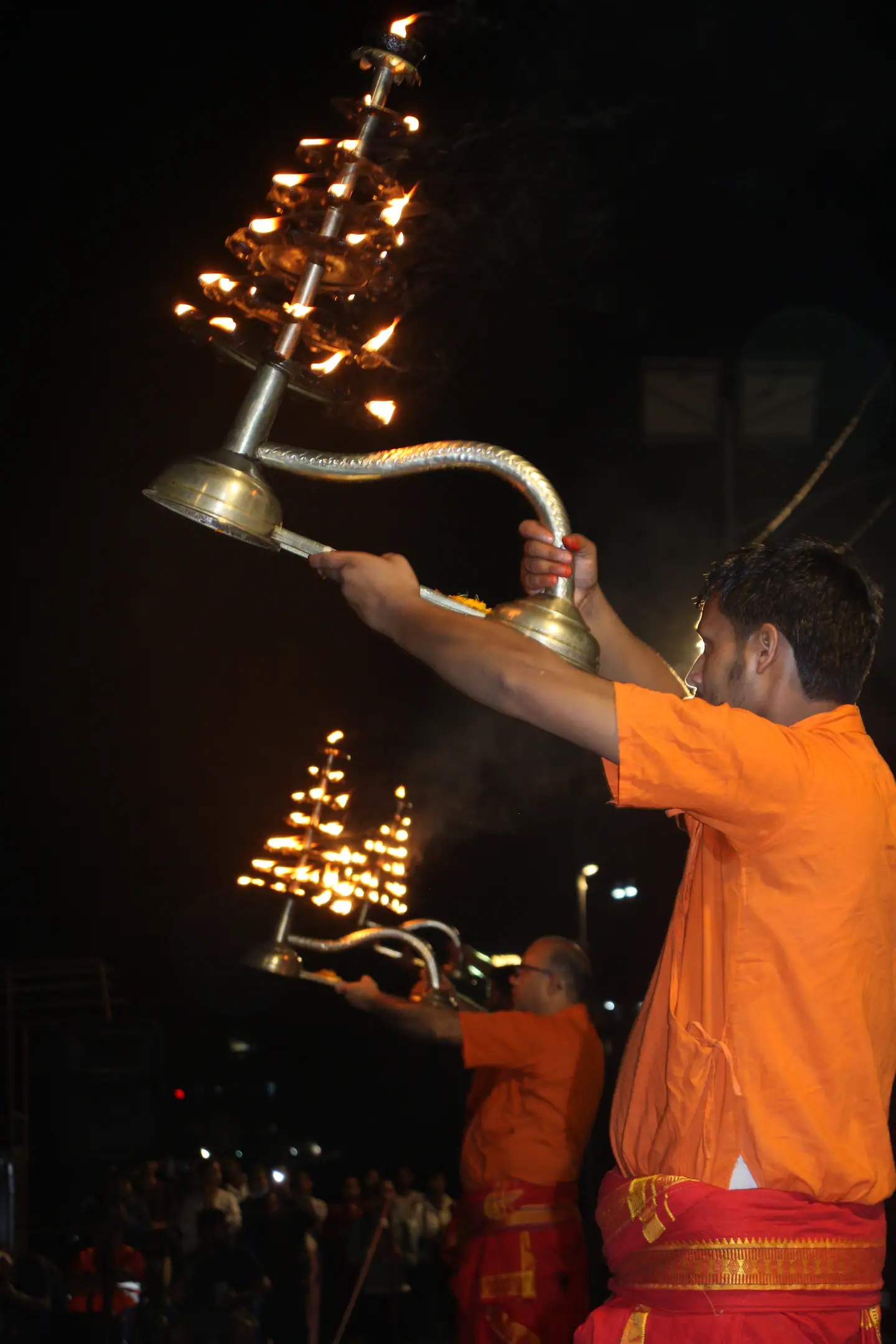
    You are met at the airport and taken to your hotel to bathe and rest after the journey. In the evening you go to Pashupatinath Temple for the arati, which runs from 6:00 to 7:30 pm, where the priest gives you a rudraksha bead and marks your forehead with sandalwood tilak. Overnight in Kathmandu, at about 1,400 metres.

  2. Day 02Pashupatinath, Gokarneshwor, Sanga and Doleshwor, then Dhulikhel

    Morning darshan at Pashupatinath, then Gokarneshwor Mahadev on the Bagmati, about 8 km north-east, where you offer tarpan for your ancestors. On to the Kailashnath Mahadev statue at Sanga and to Doleshwor Mahadev at Sipadol, then the drive to Dhulikhel on the valley’s eastern rim, with views of the Himalaya. Overnight in Dhulikhel.

  3. Day 03Dhulikhel to Halesi Mahadev

    A morning departure and seven or eight hours by road through Nepalthok and Ghurmi to Halesi in Khotang. In the evening you walk barefoot to the temple and down the steep steps into the cave where, by tradition, Shiva hid from Bhasmasura, to see the self-manifest linga. No permit is needed. Overnight in Halesi, at about 1,330 to 1,440 metres.

  4. Day 04Halesi to Janakpur

    Snan before dawn and morning darshan, with the Bhairav cave and the Cow cave. Then about six hours by road down to Janakpur on the Terai plain. In the evening, the aarti at the Janaki Mandir, the temple of Sita, from 6:00 to 7:30 pm. Overnight in Janakpur.

  5. Day 05Jaleshwor Mahadev, then Pokhara

    About 13 to 15 km south to Jaleshwar on the Indian border for morning darshan at Jaleshwor Mahadev, at the Shiva linga that tradition says Sita worshipped. Then the long drive west to Pokhara, about ten hours, the longest of the yatra. An evening walk beside Phewa Lake if you arrive in time. Overnight in Pokhara, at about 820 metres.

  6. Day 06The Shiva temples of Pokhara

    The Gupteshwor Mahadev cave across from Devi’s Fall, Kedareshwor Mahadev in Lakeside, and Bindhyabasini Temple on its hilltop, then a boat across Phewa Lake to the island temple of Tal Barahi. In the afternoon, the Shiva statue at Pumdikot, on a hilltop at about 1,500 metres, and the Peace Pagoda for sunset. Overnight in Pokhara.

  7. Day 07Pokhara to Tatopani

    About six hours by road through Beni and the Myagdi valley into the Kali Gandaki, and a bath in the Tatopani hot springs in the evening. Overnight in Tatopani, at about 1,190 metres.

  8. Day 08Tatopani to Jomsom

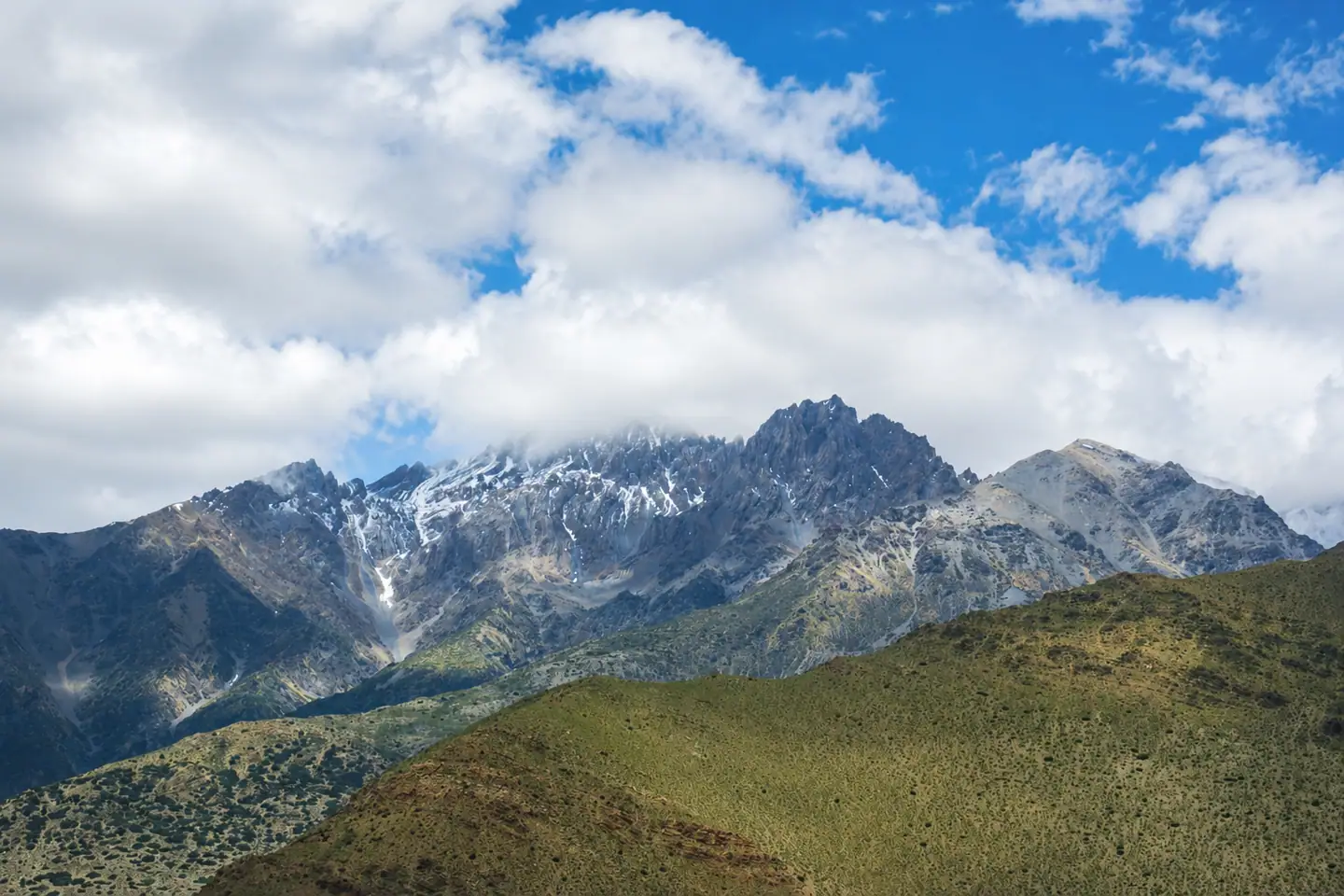
    About six hours up the Kali Gandaki gorge on a road that is rough in places, as green hills give way to high desert, to Jomsom, with views of Nilgiri and Dhaulagiri. Overnight in Jomsom, at about 2,743 metres.

  9. Day 09Muktinath darshan, then Marpha

    About two hours by road up to Muktinath, at 3,710 metres, in the morning. Bathe under the 108 water spouts, dip in the two ponds and see the Jwala Mai flame. The rest of the day is spent travelling back down, with an evening in Marpha village. Overnight in Marpha.

  10. Day 10Marpha to Pokhara

    After breakfast, seven to eight hours by road from the dry, windswept Mustang country down through green hills and rivers to Pokhara and Phewa Lake. Overnight in Pokhara, at about 820 metres.

  11. Day 11Pokhara to Kathmandu

    An early breakfast and seven to eight hours by road back to Kathmandu. Overnight in Kathmandu, at about 1,400 metres.

  12. Day 12Final darshan at Pashupatinath and departure

    A final darshan at Pashupatinath, where the yatra began, as your flight time allows, then the transfer to the airport.

What's Included

  • Private transport, with airport pickup and drop and every drive on the itinerary
  • Three-star or equivalent hotels throughout the itinerary
  • Three pure vegetarian, sattvic meals a day
  • Tea or coffee twice a day
  • Bhojan daan, a food offering, included in the tour cost
  • One day of spiritual retreat in Kathmandu or Pokhara
  • Temple entry permissions and priest arrangements
  • A private guide throughout, with a Hindi-speaking guide on request
  • The boat to Tal Barahi
  • Medical kit with basic medication
  • 24/7 emergency support
  • Farewell gifts: a yatra journal and spiritual mementos

What's Not Included

  • International flights to and from Kathmandu
  • Visa fees
  • Domestic flights, if you choose one in place of a drive
  • Hotel upgrades and a single room, quoted with your quotation
  • Travel insurance, which is mandatory
  • Any nights beyond the itinerary
  • Personal medical expenses
  • Personal expenses and shopping
  • Tips for guides and drivers, which are voluntary

Before you book

Questions Travellers Ask

Which temples does the Nepal Shiva Yatra visit?

The Nepal Shiva Yatra visits Pashupatinath, Gokarneshwor, Doleshwor and the Kailashnath statue in the Kathmandu Valley, Halesi Mahadev, the Janaki Mandir in Janakpur, Jaleshwor Mahadev, the Gupteshwor cave, Kedareshwor, Bindhyabasini and Tal Barahi in Pokhara, with the Pumdikot Shiva statue and the Peace Pagoda above the city, and Muktinath.

How many days is the Nepal Shiva Yatra?

The Nepal Shiva Yatra is 12 days and 11 nights by road, starting and ending at Pashupatinath in Kathmandu.

How much does the Nepal Shiva Yatra cost?

The Nepal Shiva Yatra costs USD 1,650 per person for 2 to 5 pilgrims, USD 1,320 for 6 to 11 and USD 1,100 for 12 or more. A single pilgrim is quoted on request.

What is the highest altitude on the Nepal Shiva Yatra?

Muktinath Temple, at 3,710 metres, visited on the morning of Day 09. The highest night is at Jomsom, about 2,743 metres.

Do I need a permit for Muktinath?

Yes. As of October 2026 Muktinath requires an Annapurna Conservation Area Permit: NPR 3,000 for foreign nationals, NPR 1,000 for SAARC nationals including Indians, and NPR 100 for Nepalis. Entry to the temple itself is free.

Do Indians need a visa for the Nepal Shiva Yatra?

No. Indian citizens need no visa for Nepal, though the Muktinath permit still applies at the SAARC rate. As of October 2026 other SAARC citizens receive up to 30 days free once in a visa year, and everyone else pays USD 30 for 15 days, USD 50 for 30 days or USD 125 for 90 days.

What is the best time for a Shiva yatra in Nepal?

September to November and March to April. The monsoon, June to August, brings floods and landslides to the road below Muktinath, and the Terai is hot from late April.

Is the Nepal Shiva Yatra suitable for senior citizens?

It has no trekking, but the drives are long, the Halesi cave has steep steps and Muktinath is at 3,710 metres. Anyone with a heart or lung condition should see a doctor before booking.

How long are the drives on the Nepal Shiva Yatra?

Most driving days take about six hours, including Pokhara to Tatopani and Tatopani to Jomsom. Janakpur to Pokhara takes about ten hours, Dhulikhel to Halesi, Marpha to Pokhara and Pokhara to Kathmandu seven to eight hours each, and Jomsom to Muktinath about two hours.

Can I fly part of the way?

Yes. Flights from Pokhara to Jomsom, or from Kathmandu to Janakpur or Pokhara, can be arranged at extra cost, subject to availability and weather.

What is included in the Nepal Shiva Yatra price?

Private transport, three-star or equivalent hotels, three vegetarian meals a day, bhojan daan, a retreat day, temple and priest arrangements, a private guide, the Tal Barahi boat, a medical kit and farewell gifts. Flights, visas and insurance are not included.

What pujas can you do at Pashupatinath, and what do they cost?

As of October 2026 the Pashupati Area Development Trust publishes puja rates in Nepalese rupees, from NPR 2,100 (about USD 14) for a Panchamrit Puja and NPR 7,500 (about USD 49) for Panchamrit with Rudrabhishek and Balbhog to NPR 2,500,000 for the eleven-day Atirudri. Pujas are paid at these rates unless your journey already includes one. Mondays, the Mondays of Shrawan in July and August, and Maha Shivaratri in February or March are the most auspicious and most crowded days.

What rituals do pilgrims perform at Muktinath?

Pilgrims take darshan at the main temple, bathe under the 108 water spouts and pray at the Jwala Mai flame shrine, offering flowers or prasad. A special puja with a priest, or Buddhist prayers through the local community, is arranged on the spot, and no published tariff exists for either. Janai Purnima in August, Buddha Jayanti in April or May, and Dashain and Tihar bring special observances.

Traveller Reflections

The first reflections are still being written.

We publish what travellers tell us in their own words, once they have travelled. Nothing here is borrowed or invented.

From Pashupatinath to Muktinath in 12 Days.Plan your Nepal Shiva Yatra.

Start your journey